Crypto news today

Bybit and Glassnode: Bitcoin options are growing in the derivatives market mix
Why it matters: The shift of liquidity into options changes hedging structure and can amplify or dampen BTC price moves around major strikes.
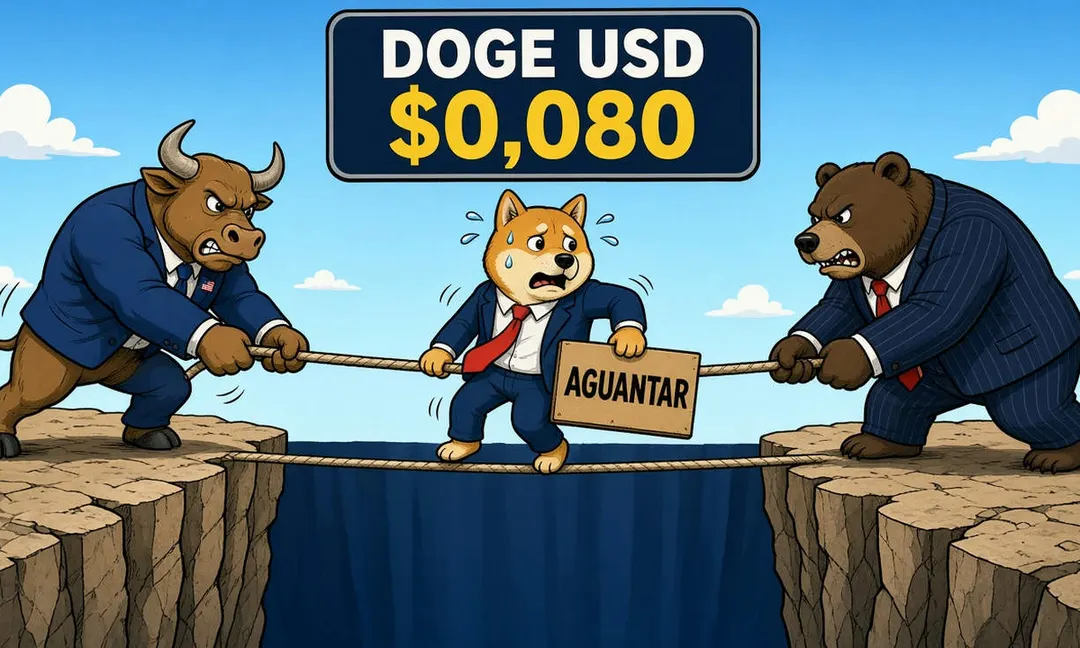
Dogecoin at $0.0808: weak bounce on falling volume
Why it matters: A break below support at $0.080176 would accelerate the decline, while holding it would open the way toward the 20- and 50-day averages.

Six memecoins on Circle's Arc valued at $1–3 million, led by ARGUS at $16.45 million
Why it matters: Activity on Arc confirms demand for Circle's new L1, but low liquidity and duplicate contracts increase the risk of losses for traders.

Bloomberg: Bitcoin and gold hit resistance at $80,000 and $4,500
Why it matters: A rise in Treasury yields to 5% could shift capital from Bitcoin and gold into bonds, capping further gains.

Paraguay's ueno bank with OTP stake quietly tests Bitcoin purchases in app
Why it matters: A major bank with European capital is embedding BTC purchases into its banking app, signaling closer ties between traditional banks and crypto in Latin America.
After CLARITY Act failure, US regulators to speed up their own crypto rules
Why it matters: SEC and CFTC rules will replace legislation but remain dependent on political shifts, a key risk for the industry.
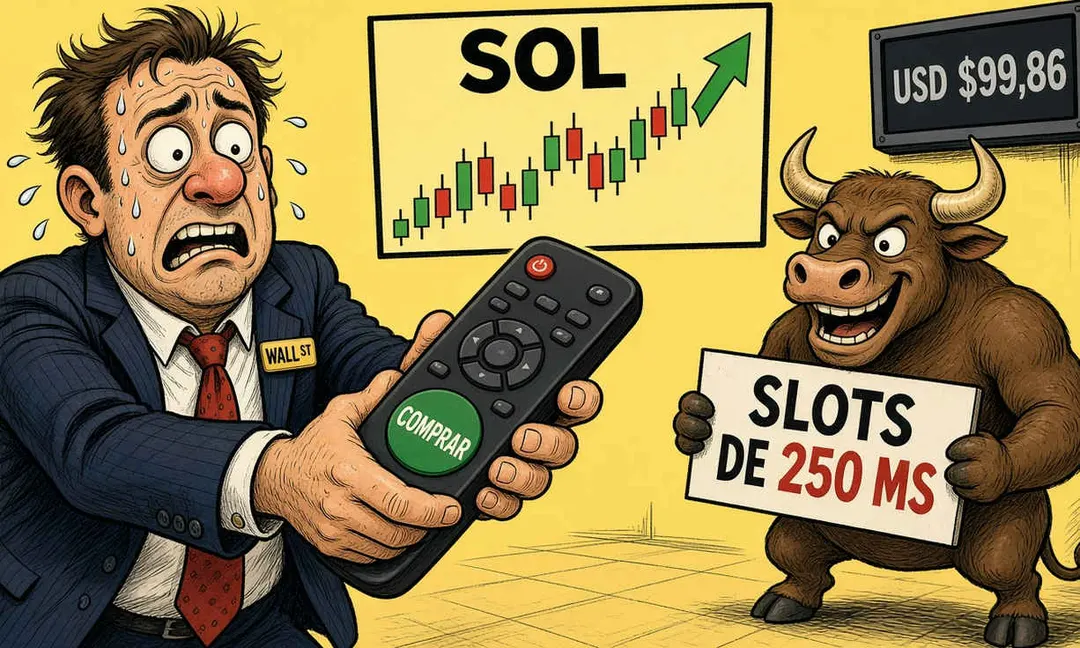
SOL rises 2.66% to $99.86 ahead of 250 ms slot activation
Why it matters: Without a volume increase, the rebound looks like a range correction rather than the start of a trend; confirmation would be volume above $4 billion.

SwissBorg adds direct USDC deposits on Arc network without bridges
Why it matters: A direct on-ramp lowers entry costs to Arc and expands distribution of Circle's stablecoin network among European retail investors.
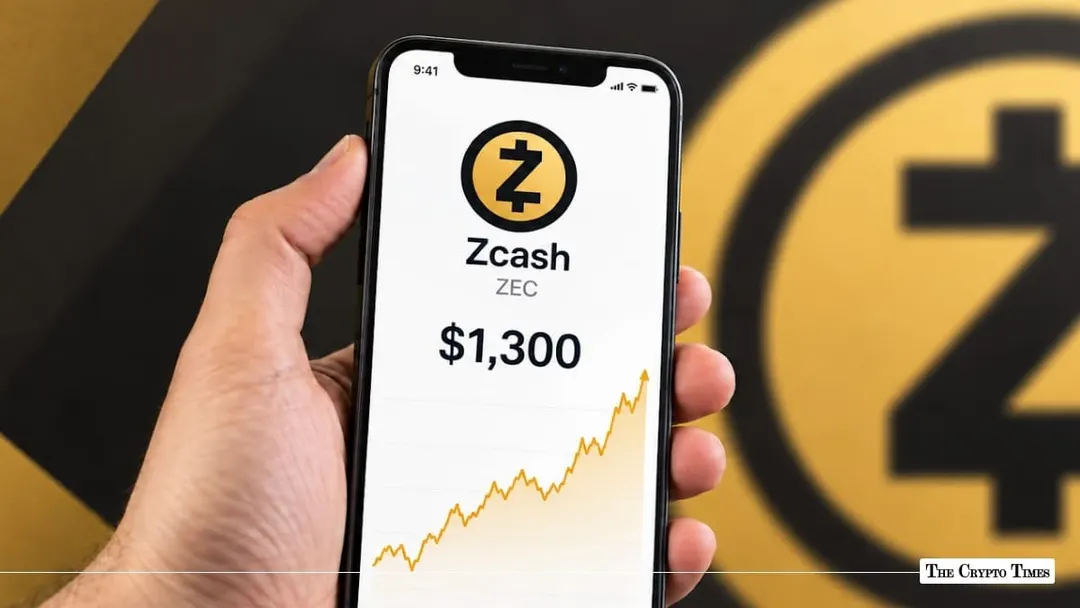
Zcash jumps 17% to $1,300 on NU7 vote, Ledger deal, ZCSH ETF
Why it matters: The vote is a mandate, not an activation: launching NU7 requires specifications, audits, and coordination among miners and exchanges.
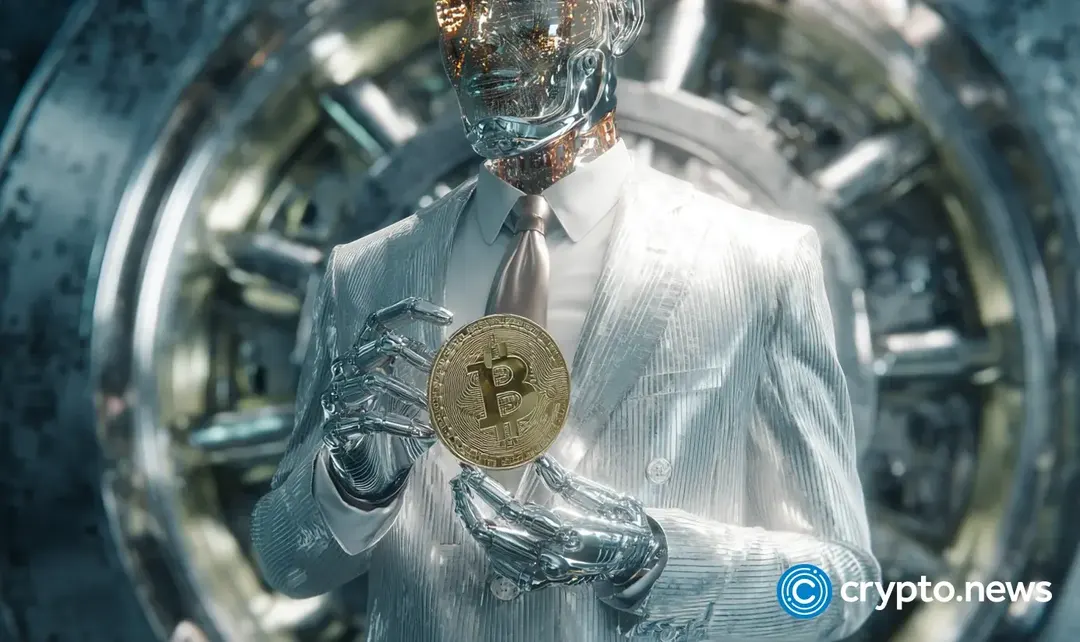
H100 CEO buys 407,000 shares, treasury holds 3,506 BTC
Why it matters: The transaction reflects growing insider confidence in the Bitcoin treasury model but does not change the company's BTC position.
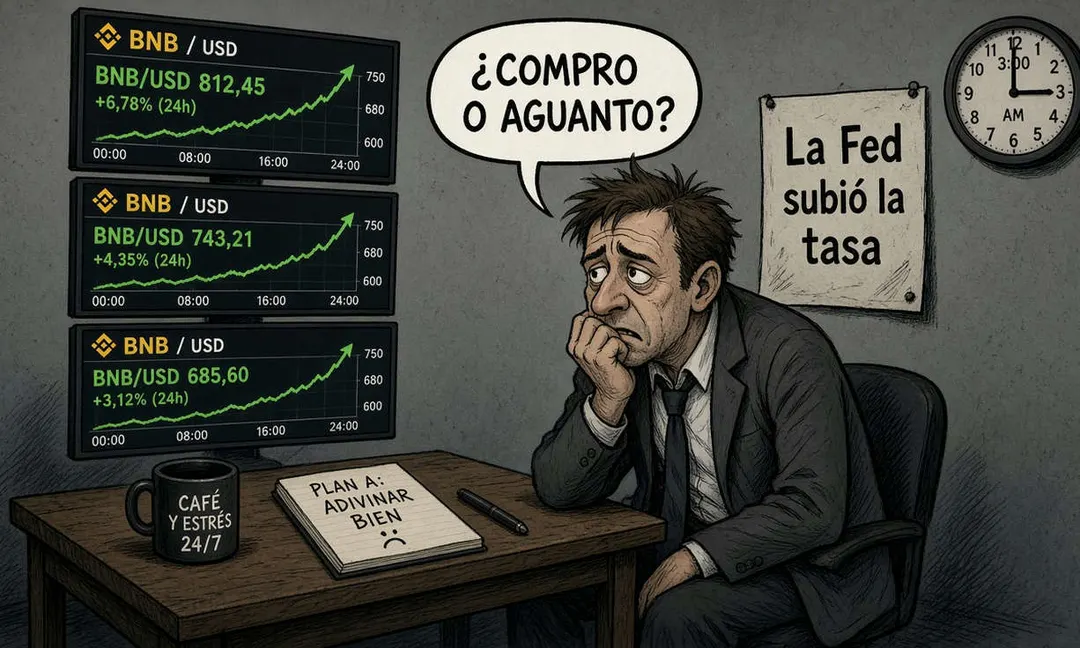
BNB holds above $725 after Fed rate hike
Why it matters: BNB shows relative resilience to Fed tightening, but weak volume and a bearish MACD limit a breakout above resistance at $727.66.
XRP Ledger activity rises: 337 XRP burned vs 319 average
Why it matters: Rising XRPL activity is positive, but the volume of burned fees is too small to affect supply — the price depends on holding the $1.27–1.30 support.
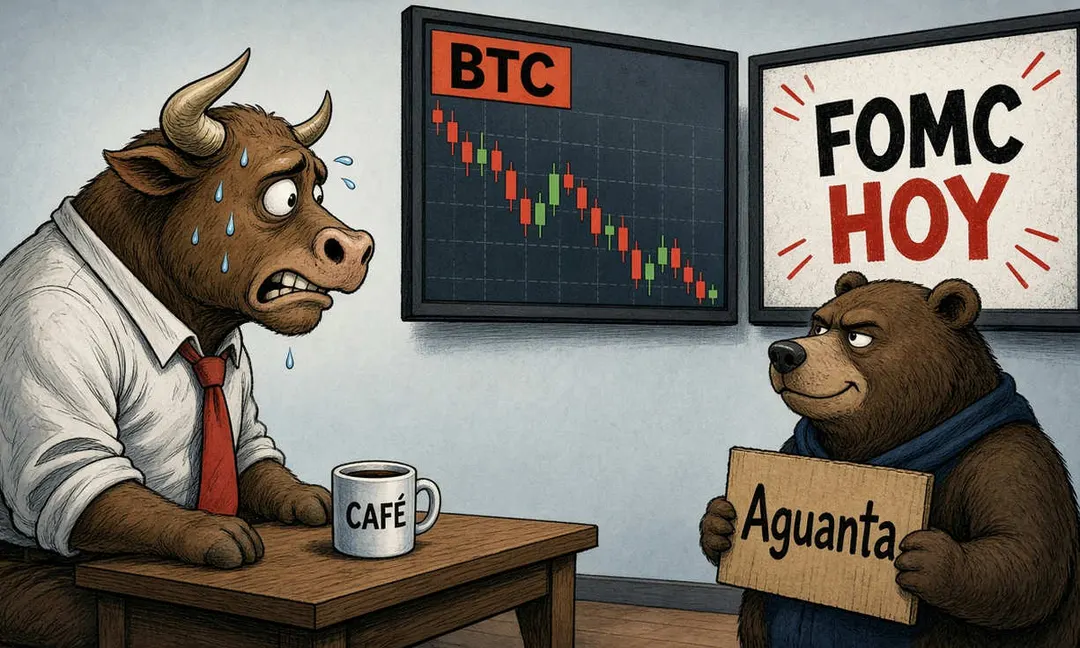
Bitcoin rebounds 0.89% to $76,447 after Fed rate hike and CLARITY Act failure
Why it matters: The rebound on weak volume and a bearish MACD does not confirm a reversal: the market is waiting for a close above $76,685 for a recovery signal.
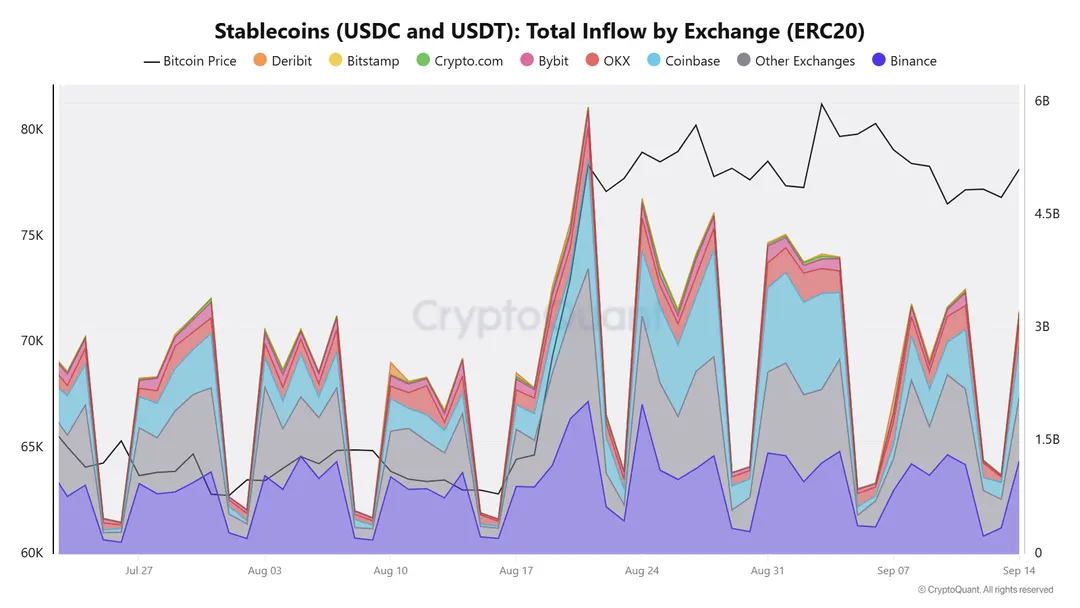
Binance sees $1.235 billion stablecoin inflow in a day as outflows from other exchanges accelerate
Why it matters: Stablecoin inflows to Binance signal continued purchasing power on the largest exchange, while outflows from Coinbase point to weakening US demand.

Binance expands auto-invest in stocks: over 100 new equities and ETFs
Why it matters: Expanding the exchange's TradFi product line intensifies competition for capital between the crypto and stock segments.
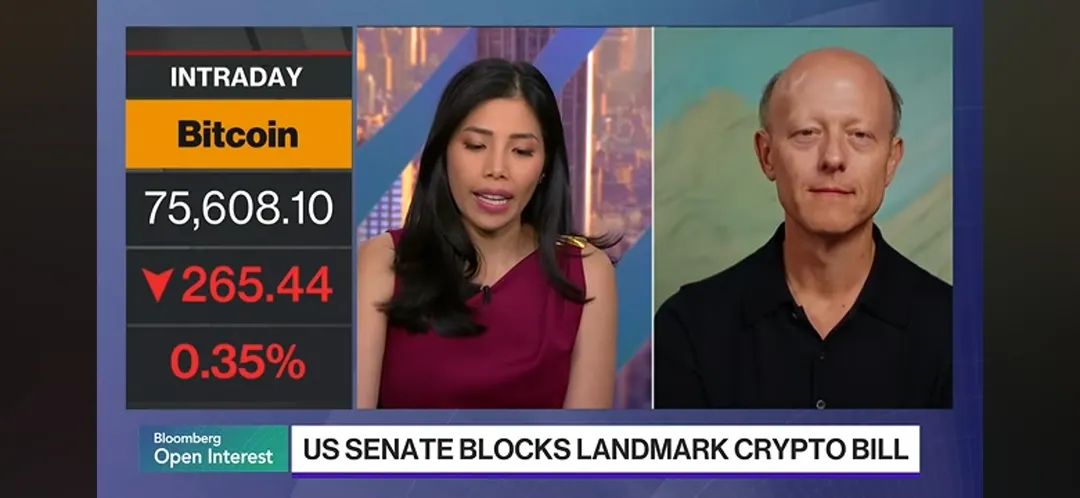
Circle CEO: stablecoin law will expand use of the digital dollar
Why it matters: Legalizing digital dollars opens stablecoins' access to banks, capital markets and corporate payments, intensifying competition for the $60 trillion deposit market.
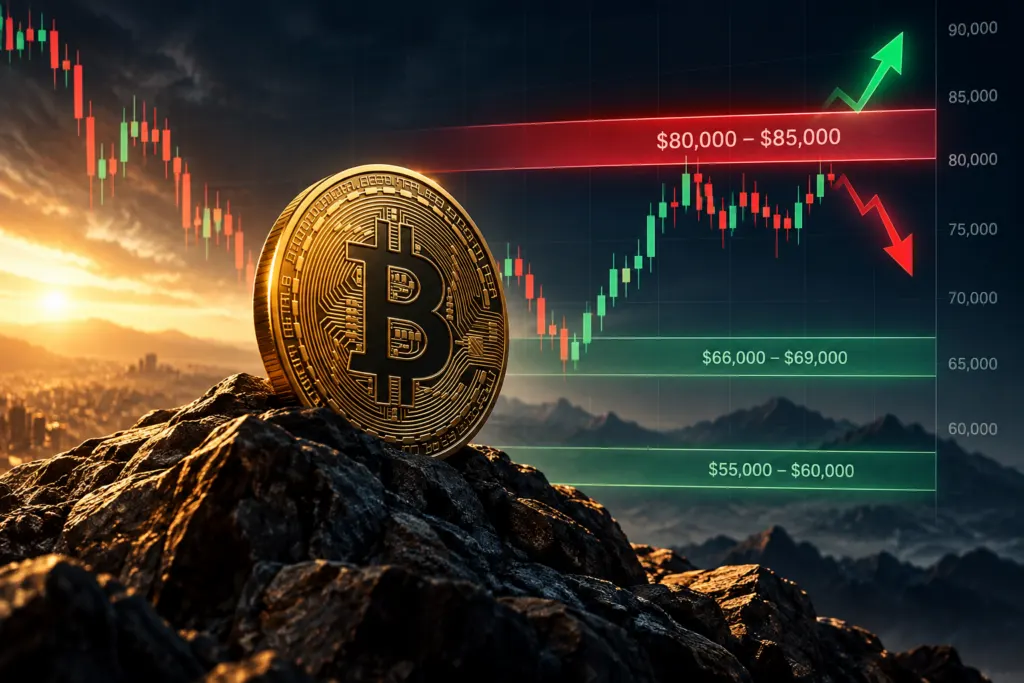
Analyst: Bitcoin needs to break $80–85K to change structure
Why it matters: A break above $80–85K would confirm an upward reversal, while losing $76K would open the path to $72K and below.

XRP falls below $1.30 support: traders expect further decline
Why it matters: Falling open interest and a support break point to weak demand; holding $1.30 will determine whether the pullback continues to $1.14.

Coinhouse launches access to Spiko money market funds from €1
Why it matters: The crypto platform is expanding into traditional financial infrastructure, strengthening the convergence of crypto and classic finance in the EU.

Poland lost $230M in crypto in attempt to buy Venezuelan oil
Why it matters: The incident highlights the risks of over-the-counter crypto deals and weak controls in large state payments.