Crypto news today

Bitcoin futures backed by BTC fall from 70% to 12% of open interest
Why it matters: Stablecoin collateral breaks the loop of price drop, collateral drop and liquidations, making the market more resilient and clearer for institutions.

Sui and Daya launch free stablecoin transfers in Africa
Why it matters: Lowering cross-border payment costs could accelerate stablecoin adoption in Africa and intensify competition among blockchains for the remittance market.

SHIB spot flows turn negative across all seven timeframes
Why it matters: Weakening spot demand prevents SHIB from breaking resistance at $0.00000515–0.00000520, raising the risk of a decline to $0.00000460.
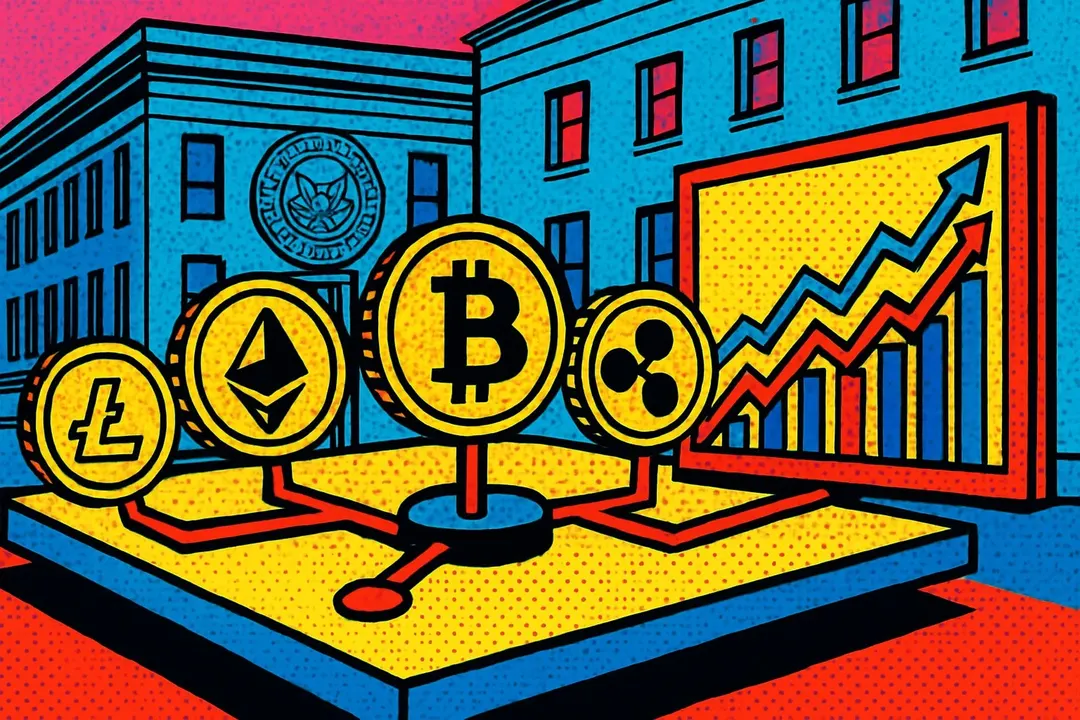
Crypto.com files with SEC to launch single-stock futures in the US
Why it matters: It broadens the bridge between crypto exchanges and the US stock market, intensifying competition for regulated derivatives.
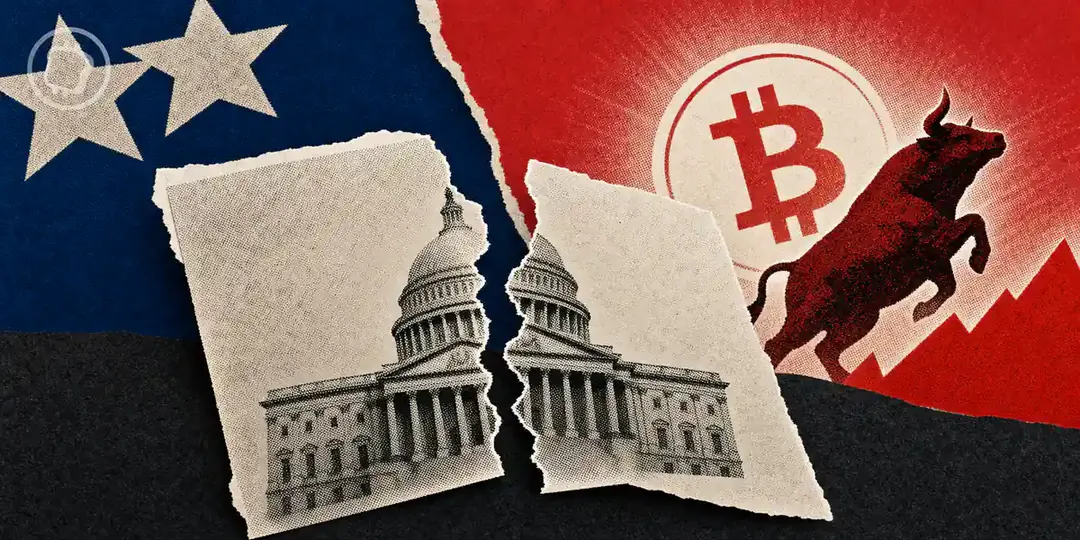
Bitwise: bull market has begun despite CLARITY Act failure and Fed tightening
Why it matters: A major asset manager's view sets an institutional narrative: ETF demand and the debasement trade could support BTC and altcoins despite regulatory pressure.

Warsh explains Fed rate hike logic to Trump
Why it matters: Higher rates raise the cost of capital and weigh on risk assets including crypto, while the Fed's conflict with the White House adds uncertainty.

BNB holds $710 support as momentum weakens
Why it matters: A break above $740 would open the way to $750–780, while losing $709 would intensify long liquidations and send it toward $700.
SEC delays XRP short ETF to Oct 11, 2026, in 19th postponement
Why it matters: The latest short ETF delay and continued institutional outflows weigh on XRP, BTC and ETH, while Solana and privacy coins attract funds.

RWA futures match crypto futures market volume in nine months
Why it matters: RWA futures are growing on real-economy events rather than the crypto cycle, reshaping the derivatives market structure.

Ethereum holds $2,400 after ETF outflows and Fed rate hike
Why it matters: Holding $2,400 separates stabilization from a drop toward $2,350, but continued ETF outflows cap the upside.

Opinion: Bitcoin doesn't need the CLARITY Act, but crypto businesses do
Why it matters: The bill's failure widens the gap: Bitcoin operates autonomously, while businesses face regulatory uncertainty.

Maxine Waters urges Congress to pause crypto legislation over Trump profits
Why it matters: The partisan deadlock over crypto legislation delays market rules and deepens regulatory uncertainty in the U.S.

Galaxy Research: crypto startups raised $5.68 billion in quarter, up 31%
Why it matters: Rising venture funding signals renewed interest in the crypto industry, but capital is concentrating in mature projects.

Germany has 89 MiCA-licensed crypto firms as UK prepares new regime
Why it matters: Germany cements its lead in the EU's regulated crypto infrastructure, while the UK is only moving to a new licensing regime.
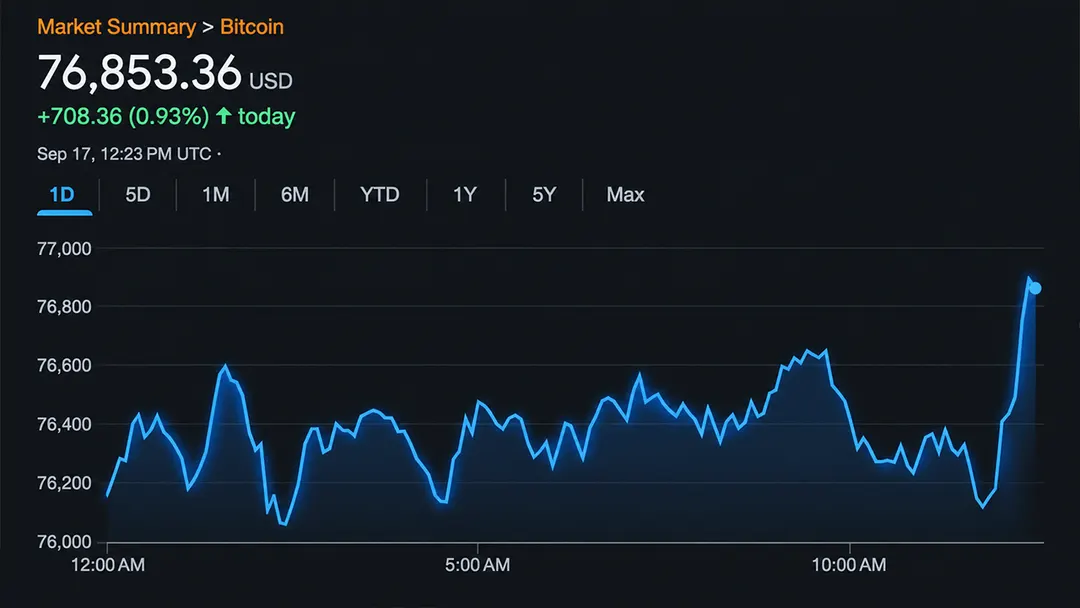
Bitcoin rebounds from $74,913, but $77,000 remains key resistance
Why it matters: Holding $75,000 preserves the recovery structure, but a break above $77,000 is needed for a return to $78,000-$80,000.

France arrests 5 suspects in crypto extortion kidnapping case
Why it matters: A rise in violent crypto-related crime is increasing pressure on regulation and on the security of asset holders.

Crypto market rises 1.2% despite Fed rate hike, bitcoin holds near $77,000
Why it matters: The market showed resilience to Fed tightening, but the large ETF outflow signals weak institutional demand.

SEC grants five-year exemption for on-chain trading of tokenized stocks
Why it matters: The SEC is legalizing on-chain stock trading in the U.S. for the first time, which could accelerate growth in the tokenized stock market, already worth $3 billion.
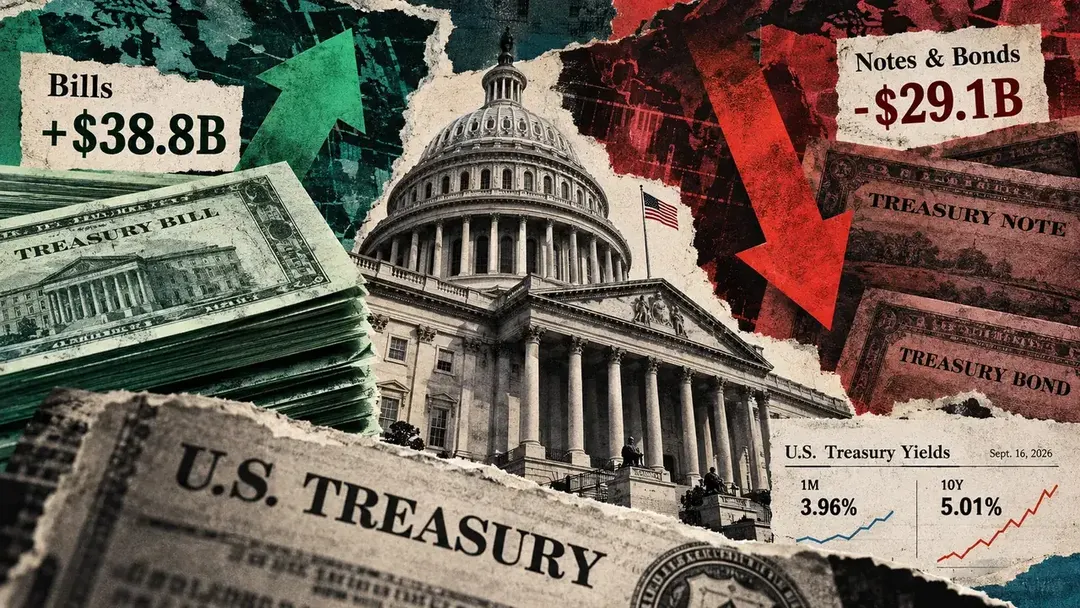
Foreigners sell $29 billion in U.S. Treasuries, pressuring bitcoin
Why it matters: High long-term yields raise the opportunity cost of holding bitcoin and limit capital inflows into risk assets.

Cosmos launches Partner Network for tokenized finance
Why it matters: The launch expands tokenization infrastructure in the Cosmos ecosystem, but without real trading volume its market impact is not yet confirmed.