Crypto news today

JPMorgan: SEC and CFTC crypto rules will be short-lived after CLARITY Act failure
Why it matters: Without legislation, the crypto industry lacks long-term regulatory certainty, raising the risk of a policy reversal when power changes in the U.S.

Bitcoin Bull Score crashes from 80 to 30 after Fed rate hike
Why it matters: The signal confirms a shift in sentiment: without the index returning above 60 and the price above $83,000, sustained gains are unlikely.

Saylor: banks will start bitcoin-backed lending without Congress
Why it matters: The signal of banks entering bitcoin-backed lending expands institutional demand and reduces the market's reliance on legislative initiatives.

Stablecore raises $20M with Coinbase Ventures to connect stablecoins to banks
Why it matters: Stablecoin infrastructure is reaching US community banks, expanding the channels for using digital dollars.
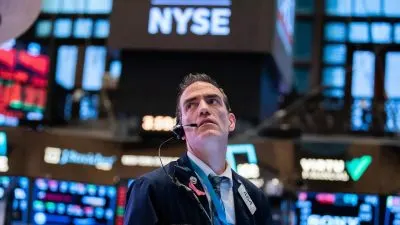
NYSE plans 24/7 trading of tokenized stocks on blockchain
Why it matters: The world's largest exchange is moving stock infrastructure onto the blockchain, which could accelerate TradFi tokenization and boost demand for stablecoins.

SEC Commissioner Mark Uyeda comments on innovation exemption
Why it matters: The exemption could set a precedent for crypto project compliance in the US and shape the SEC's approach to regulation.

Bloomberg analyst: bitcoin ETF assets to triple gold ETFs in 3-5 years
Why it matters: Faster bitcoin ETF adoption among younger investors strengthens institutional demand and competition with gold as a safe-haven asset.

Zcash zkSNARKs auction closes at 1.5 ZEC with 16,971 bids
Why it matters: It demonstrates real demand for private on-chain identities and growing use of Zcash shielded transactions.

Dunamu (Upbit) and NAVER Pay share swap faces regulatory conflict
Why it matters: A possible restructuring would affect South Korea's largest exchange, Upbit, and could set a precedent for regulating ownership concentration in crypto exchanges.

Aave founder proposes 'Uber path' for DeFi after CLARITY Act fails
Why it matters: The CLARITY Act's failure increases pressure on DeFi protocols, while a mass-adoption strategy could change the political landscape.

BCH rises 5.61% to $232 on Grayscale spot ETF filing
Why it matters: The Grayscale filing could open institutional access to BCH, but ETF approval is not guaranteed and the trend remains downward.

Circle deploys $649M USDC and $7M EURC on its Arc network
Why it matters: Circle is launching its own L1 for the first time, strengthening vertical integration and competition among networks for stablecoins.

Morgan Stanley tops 8,000 BTC for the first time via spot ETF MSBT
Why it matters: A major bank continues to build bitcoin exposure through its own ETF, supporting institutional demand.

Trader turns $2,368 into $680K on memecoin MarsCoin
Why it matters: The story shows how a listing on a major exchange can inflate a memecoin's market cap, but the profit remains on paper until sold.

JPMorgan: crypto agency rules can be challenged in court
Why it matters: If agency rules can be challenged in court, regulatory certainty for the U.S. crypto market remains low.

XRP's two-week RSI falls to 13-year low as price drops to $1.29
Why it matters: An extremely low RSI and the defense of a multi-year trendline will determine whether a cycle bottom has formed or XRP continues to fall.
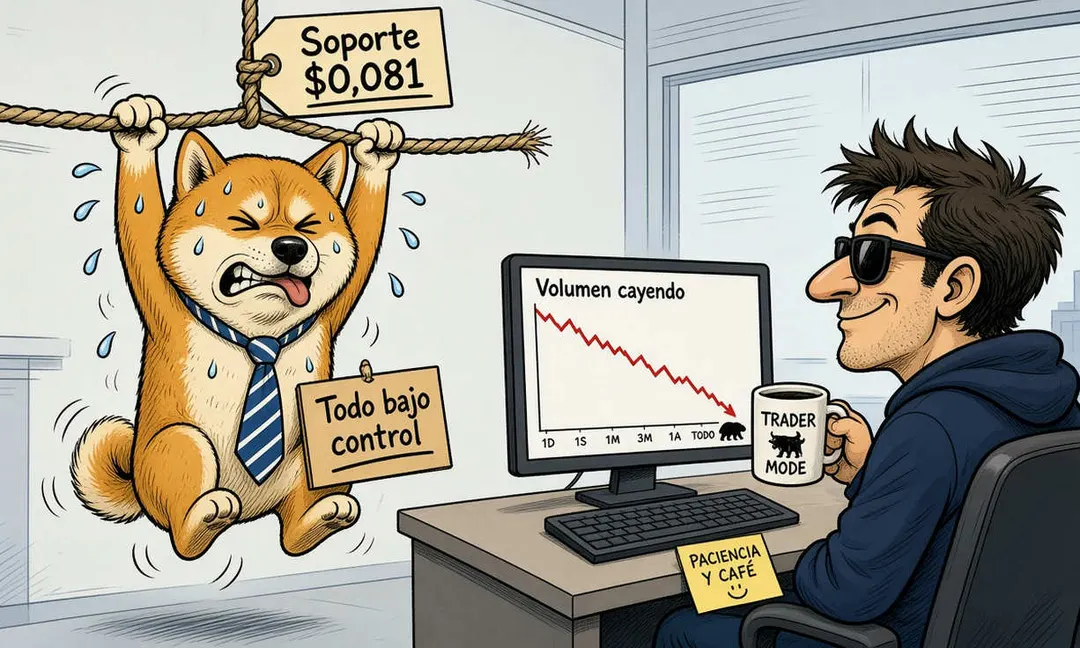
Dogecoin rebounds 2% to $0.081, holding key support
Why it matters: The rebound is technical so far: losing support at $0.080176 would open the way to the SMA-90 at $0.077, while the closure of the Bitwise ETF weakens institutional demand.

Wall Street expects another Fed rate hike after hawkish FOMC
Why it matters: The prospect of additional Fed tightening weighs on risk assets, including bitcoin and the crypto market.

Parameta and Shinhan EZ complete insurance process PoC on deposit tokens
Why it matters: The case shows deposit tokens moving beyond payments into a real financial process — insurance — expanding blockchain's use in traditional finance.

HYPE rises 6.46% to $82.16, now 8.23% below all-time high
Why it matters: The rebound after the CLARITY Act failure and Kraken's plans to launch Hyperliquid perpetuals in the U.S. are supporting demand for HYPE.