Crypto news today
StarkWare CEO links Zcash rally to fears of bitcoin ossification
Why it matters: ZEC's rally shows demand for adaptable networks amid bitcoin's rigidity, but sustainability depends on launching 25-second blocks on mainnet.

Crypto.com founder: crypto battles will continue, but the war is already won
Why it matters: The signal is that big capital and banks are already building blockchain infrastructure regardless of the CLARITY Act's fate, reducing regulatory uncertainty for the market.

BitGo launches Quantum Resistance Scorer to assess quantum risks
Why it matters: The growth of quantum computing could eventually threaten bitcoin's cryptography, and risk assessment is becoming part of the industry's preparations.
NEAR Confidential TVL tops $70 million as first rewards snapshot launches
Why it matters: The program ties rewards to retaining TVL and the NEAR price, which could support demand for the token and activity in Confidential Intents.
Developer proposes four-tier quantum vulnerability framework for Bitcoin wallets
Why it matters: Assessing quantum risks is important for Bitcoin's long-term security and for protecting old addresses with exposed public keys.
SEC grants Solana innovative regulatory exemption
Why it matters: Regulatory clarity for Solana reduces risks and could accelerate the flow of capital and developers into the ecosystem.
Securitize shares jump 14% after SEC approves tokenized stock trading
Why it matters: The SEC exemption legalizes round-the-clock trading of tokenized stocks and accelerates the inflow of RWAs onto the blockchain.

Unknown wallet moves 34,331 ETH worth $84.8M to Revolut
Why it matters: Large transfers to exchanges and fintech platforms often precede sales or increased liquidity, affecting the price of ETH.

Aksakov: digital ruble will remain voluntary, no total control
Why it matters: The clarifications reduce uncertainty around CBDC rollout in Russia but do not change scaling plans from September 2026.

CFTC and SEC prepare rules after CLARITY Act passes House
Why it matters: The first comprehensive federal crypto regulatory regime in the U.S. is taking shape, which will reduce uncertainty for exchanges and issuers.

Brazilian court denies investor R$4.3M compensation over Mercado Bitcoin phishing site
Why it matters: The precedent confirms that in phishing cases and when 2FA data is shared, liability falls on the client, not the exchange.

JPMorgan: Bitcoin could get more support than gold as ETF hedges decline
Why it matters: A signal from a major bank about a possible shift in demand toward BTC ETFs in favor of Bitcoin over gold.
Digital Chamber backs SEC innovation exemption for blockchain
Why it matters: Industry lobbying support reinforces the SEC's course toward lighter regulation and asset tokenization.
ZetaChain proposes moving ZETA token to Solana as native SPL
Why it matters: A move to SPL would give ZETA access to Solana DEX liquidity and AI-agent payments, but it depends on holder approval and exchange confirmation.

Analyst: Bitcoin UTXO data points to cycle shift from bearish to bullish
Why it matters: If the on-chain picture is confirmed, the bear phase could end, and the market's reaction to bad news has already weakened.
BlackRock: Fed rate hike may not curb inflation in energy, healthcare and education
Why it matters: The signal that Fed tightening may not fully curb inflation sustains rate uncertainty and weighs on risk assets, including crypto.
Reform UK plans £100 million-a-year crypto investor tax cut
Why it matters: British crypto investors could see a significant tax cut if Reform UK comes to power, but donations from crypto billionaires raise conflict-of-interest questions.
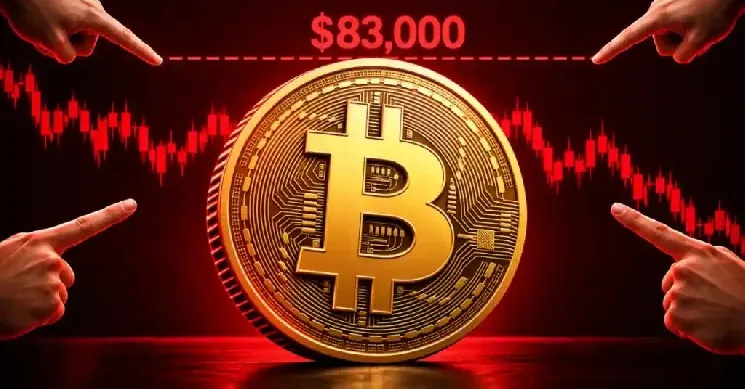
Santiment: Bitcoin FOMO fades after CLARITY Act failure and Fed hike, hashrate rising
Why it matters: Rising hashrate increases miners' costs and has historically coincided with price gains, but market sentiment remains subdued.
U.S. sanctions Iran's largest crypto exchanges, including Nobitex
Why it matters: Foreign exchanges risk secondary sanctions, while users of the platforms lose access to funds in the dollar financial system.
Securitize CEO: tokenization won't go mainstream without tradfi buyers
Why it matters: The thesis points to a key constraint on the RWA segment: without an inflow of tradfi capital, secondary-market liquidity will remain low.