Crypto news today
David Schwartz's XRP Ledger hub becomes more stable: over 500 peers
Why it matters: The stability of hub servers affects the reliability of data propagation on the XRP Ledger network, but there are no specific causes or consequences yet.

Galaxy: SEC Tokenized Stock Exemption Contains Strict Safeguards
Why it matters: The clarification reduces the risk that the SEC exemption turns into unregulated trading of synthetic tokens and sets a framework for future tokenized-equity rules.

Uniswap Unveils Permissioned Pools for DeFi Compliance
Why it matters: If institutions adopt the mechanism, it could accelerate the inflow of regulated capital into DeFi and set a compliance standard for DEXs.

StablecoinX to Lift 48-Month ENA Lock-Up on October 5
Why it matters: Removing the lock-up on 20% of ENA supply raises the risk of seller pressure, though foundation consent and notice requirements limit a sharp dump.

Digital Chamber: Industry Lost Criminal Shield for Developers in Final CLARITY Act Text
Why it matters: Without criminal protection for developers, uncertainty over liability for code persists, slowing DeFi and on-chain infrastructure development in the U.S.

Paradigm: Coin Voting Could Undermine Trust in Zcash as a Monetary Asset
Why it matters: The dispute over Zcash's governance mechanism could affect investor confidence in ZEC and the sustainability of its rally.

Whales Accumulated 115K BTC from January to September 16, Started Selling in September
Why it matters: The shift by large holders toward selling could add pressure on the BTC price near $76,000.
Chinese Miner Jiang Zhuoer Buys Back All Sold Bitcoin, Sees $84,000
Why it matters: A major miner reversing from selling to buying is a signal of returning demand, but it is only a personal view, not a market fact.

OKX and TokenTerminal: RWA Futures Overtook Crypto Futures by Volume in July
Why it matters: A shift in demand toward RWA derivatives could change the structure of futures markets and reallocate trader capital.
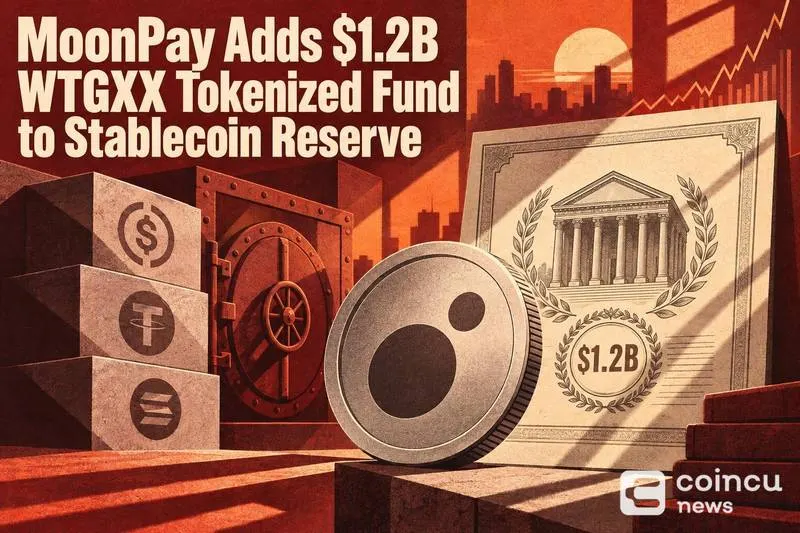
MoonPay adds $1.2B tokenized WTGXX fund to stablecoin reserves
Why it matters: Shifting reserves into a tokenized fund changes the liquidity profile and raises regulatory questions about accounting for tokenized securities as reserve assets.

Curve integrates with Circle's Arc network for stablecoins
Why it matters: It strengthens Circle's stablecoin infrastructure and expands Curve's capabilities in DeFi, attracting institutional interest.

Intercepta brings compliance tools to private Canton network
Why it matters: Private institutional networks require built-in compliance, and such solutions could accelerate banks' access to blockchain infrastructure.

Grayscale: 25 bps Fed rate hike will not significantly impact crypto market
Why it matters: Higher rates boost stablecoin issuers' revenues, which could increase interest in USDC and USDT amid market uncertainty.
SEC, CFTC, and FDIC accelerate crypto adoption in the US amid CLARITY Act delay
Why it matters: US regulators are bypassing Congress, accelerating institutional crypto and tokenization adoption without the CLARITY Act.
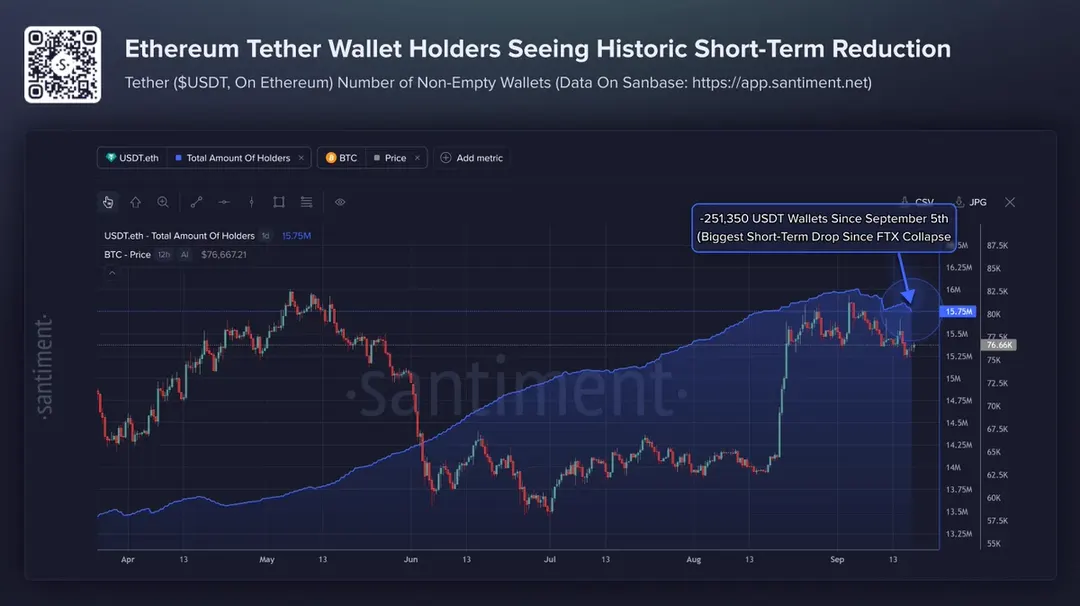
USDT wallets on Ethereum drop by 251K in 11 days
Why it matters: A sharp contraction in the wallet base could indicate a shift in USDT holders' behavior and a flow of activity to other networks.

Ducat integrates with TRON for USDT settlements via Bitcoin-backed token
Why it matters: A Bitcoin-backed stablecoin gains access to the largest USDT pool on TRON, expanding liquidity for BTC holders.
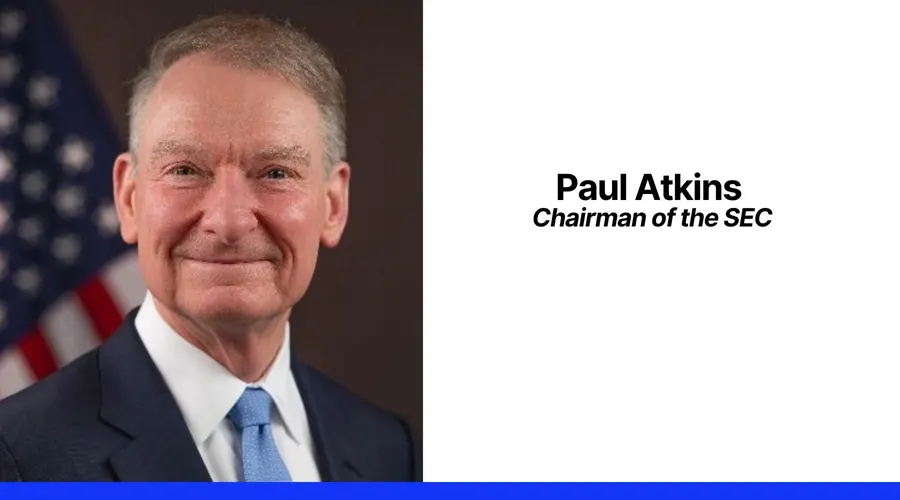
SEC opens on-chain stock trading, but xStocks and bStocks may not qualify
Why it matters: A regulated framework for US stock tokenization is taking shape, which could displace synthetic products and set a standard for tokenholder rights.

Stellar Activates Protocol 28 Amid Record TPS and RWA Growth
Why it matters: The upgrade simplifies the migration of smart contracts and data, which is critical as tokenized assets grow on the network.
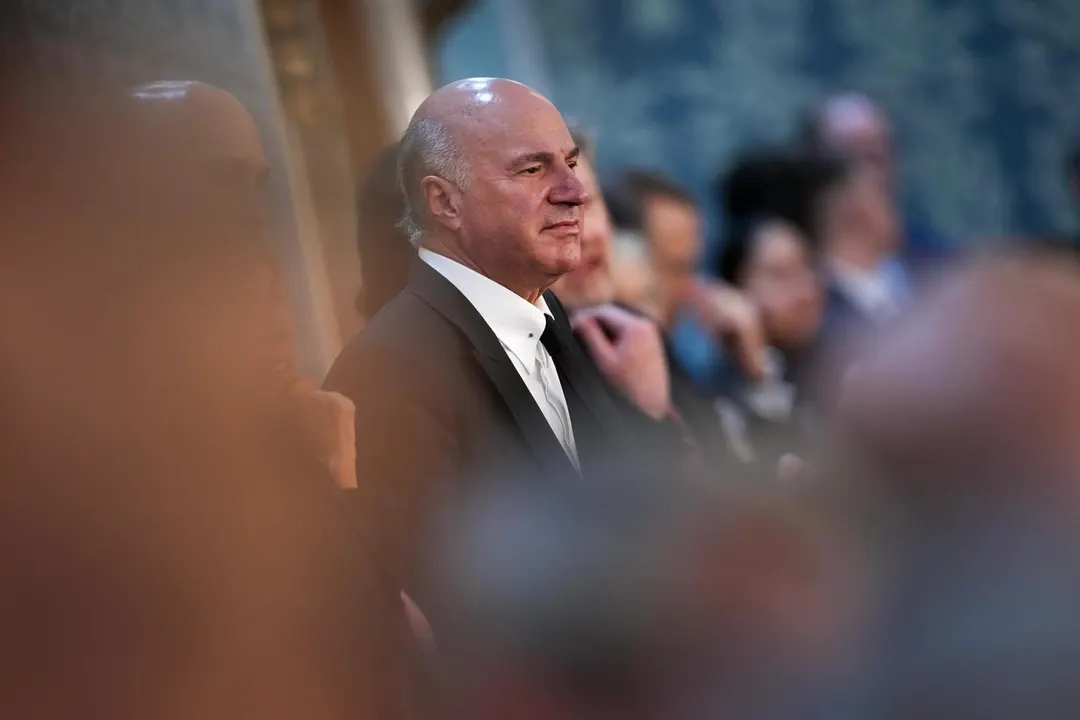
Kevin O'Leary: Congress Will Return to CLARITY Early Next Year
Why it matters: A possible return to CLARITY would shape U.S. market rules and remove some regulatory uncertainty.

EURC Launches on Arc With $7 Million Market Cap
Why it matters: It expands the supply of regulated stablecoins on the Arc network and could attract new users and liquidity.