Crypto news today
Zest Protocol launches leveraged bitcoin staking vault on Stacks
Why it matters: The product expands ways to earn yield on bitcoin in DeFi, but leverage raises risks for holders.
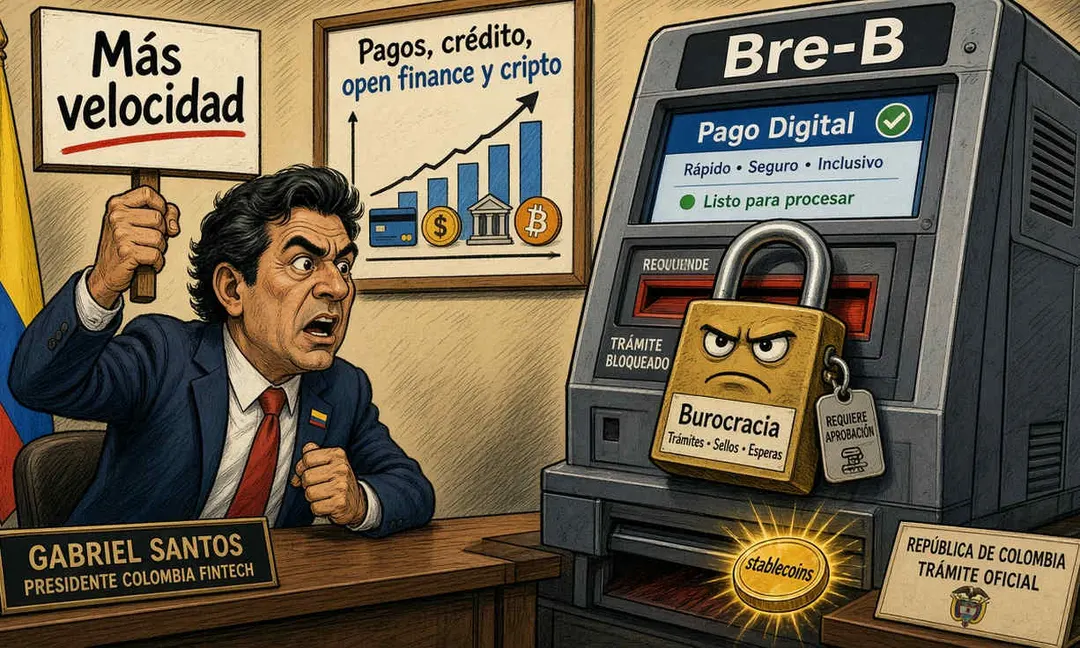
Colombia Fintech urges authorities to speed up crypto asset regulation
Why it matters: The formation of crypto rules in Colombia could open the market to local fintech companies and legalize services for millions of crypto users.
US offers $15 million for information on IRGC crypto networks
Why it matters: Sanctions against the crypto exchange and IRGC wallets will increase compliance pressure on platforms that handle sanctioned addresses.
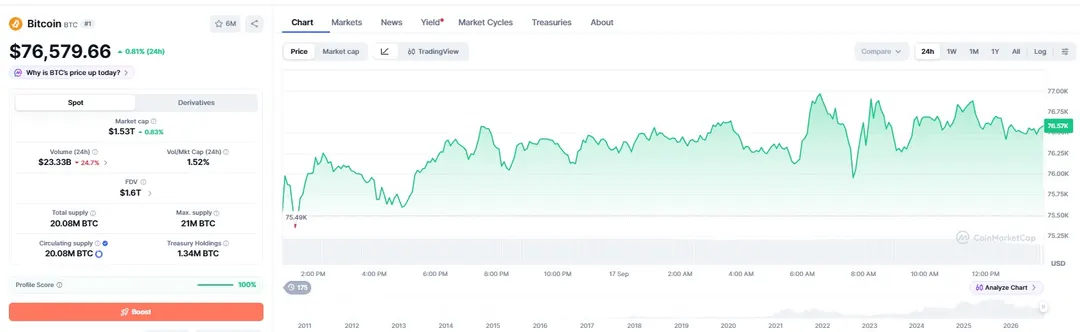
Crypto market cap rises to $2.62 trillion as bitcoin rebounds to $76,580 after Fed and CLARITY Act failure
Why it matters: The rebound rests on short liquidations rather than spot demand: the key level is $77,000, and a failure there could mean a return to $74,900.
Cboe: FLEX options volume hits 1.9 million contracts per day in Q1 2026
Why it matters: The growth of FLEX options and the launch of IBIT expirations give institutions a regulated tool to hedge bitcoin positions through Cboe and OCC.

Robinhood Chain tokenized stocks generate $9.7 billion in spot volume over 30 days
Why it matters: The growth confirms demand for round-the-clock on-chain stock trading and intensifies competition with traditional venues.

PUMP rises 9.6% to $0.0038 after buyback of 240 million tokens
Why it matters: The token buyback reduces supply, but the rally rests on speculation: sustained demand is needed to consolidate above $0.0036.

TradingView launches MCP server to connect AI agents to accounts
Why it matters: The platform is becoming a data layer for AI agents, but delayed quotes limit its use for active trading.

Meme coin WALLET on Robinhood Chain crashes 90% after Robinhood warning
Why it matters: It shows the risks of meme coins on new networks: infrastructure branding does not mean token endorsement, and holders bear the losses.

Sui co-founder buys 1% of ONE meme coin and hints at it in a tweet
Why it matters: It highlights conflict-of-interest risks when founders promote tokens in which they hold a stake.
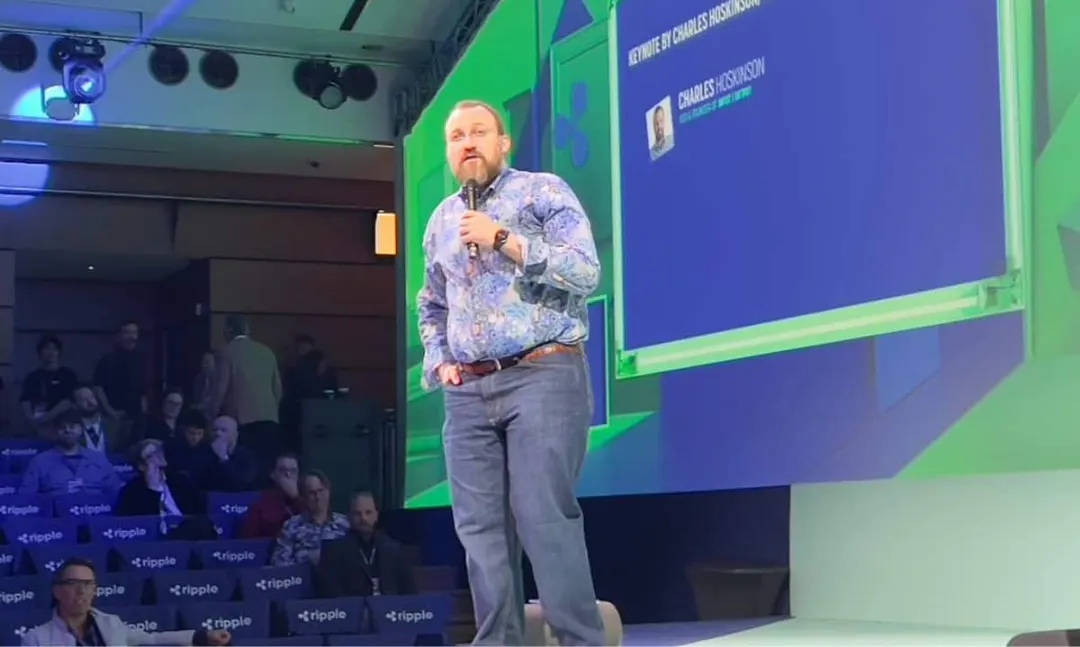
Hoskinson: crypto will 'eat' AI amid data center bubble
Why it matters: A signal of a possible AI boom downturn and rising demand for decentralized computing; the CLARITY Act delay prolongs regulatory uncertainty in the U.S.

BitGo appoints Alex Rozman as chief compliance officer
Why it matters: Strengthening compliance at a major custodian signals preparation for stricter regulation of the crypto industry.
Santiment: the main risk for bitcoin is not the current rate but uncertainty over the next hike
Why it matters: Uncertainty over the Fed rate is holding back risk appetite, which limits gains in bitcoin and the crypto market.

USDC's share on Solana falls to 44% as rival stablecoins grow
Why it matters: The growth of rival stablecoins reduces Solana's reliance on USDC but increases liquidity fragmentation and counterparty risks.
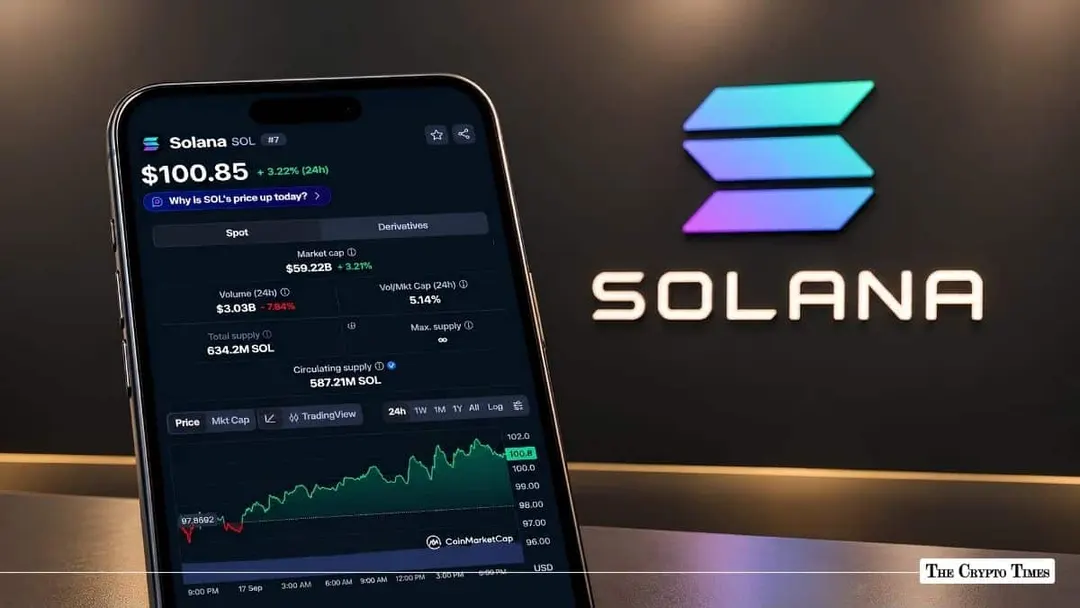
Solana above $100: traders watch for a breakout at $105
Why it matters: A breakout above $105 would confirm the bullish scenario and could accelerate gains toward $130, while a failure would return SOL to its range.
Lightning wallets now survive Bitcoin reorganizations
Why it matters: It reduces the risk of losing funds in Lightning during reorgs, improving the reliability of Bitcoin's second layer.

US to send notices to 300,000 former BTC-e client addresses
Why it matters: Former BTC-e clients will be able to assert claims to the forfeited assets, but a positive balance alone does not guarantee a return of funds.
CFTC eases rules for passive crypto software developers after CLARITY Act fails
Why it matters: US regulators are bypassing Congress through exemptions, reducing risk for crypto developers but without legislative certainty.
Binance Card returns to Argentina after three years
Why it matters: The card's return strengthens Binance's presence in the Latin American market, where demand for crypto payments is growing amid inflation.
Average Ethereum network fee falls 87% from April peak to $0.095
Why it matters: Cheaper transactions boost activity on L1 and in DeFi, but reduce fee revenue and the volume of ETH burned.