Crypto news today

Bitcoin rises to $77,308 as trading volume falls 26.8%
Why it matters: Price gains without volume and BTC inflows to exchanges point to weak buyer confidence and pullback risk.

Hong Kong court adjourns JPEX case: 7 of 8 defendants remain on bail
Why it matters: The JPEX case remains Hong Kong's largest crypto fraud and increases pressure to regulate unlicensed platforms.
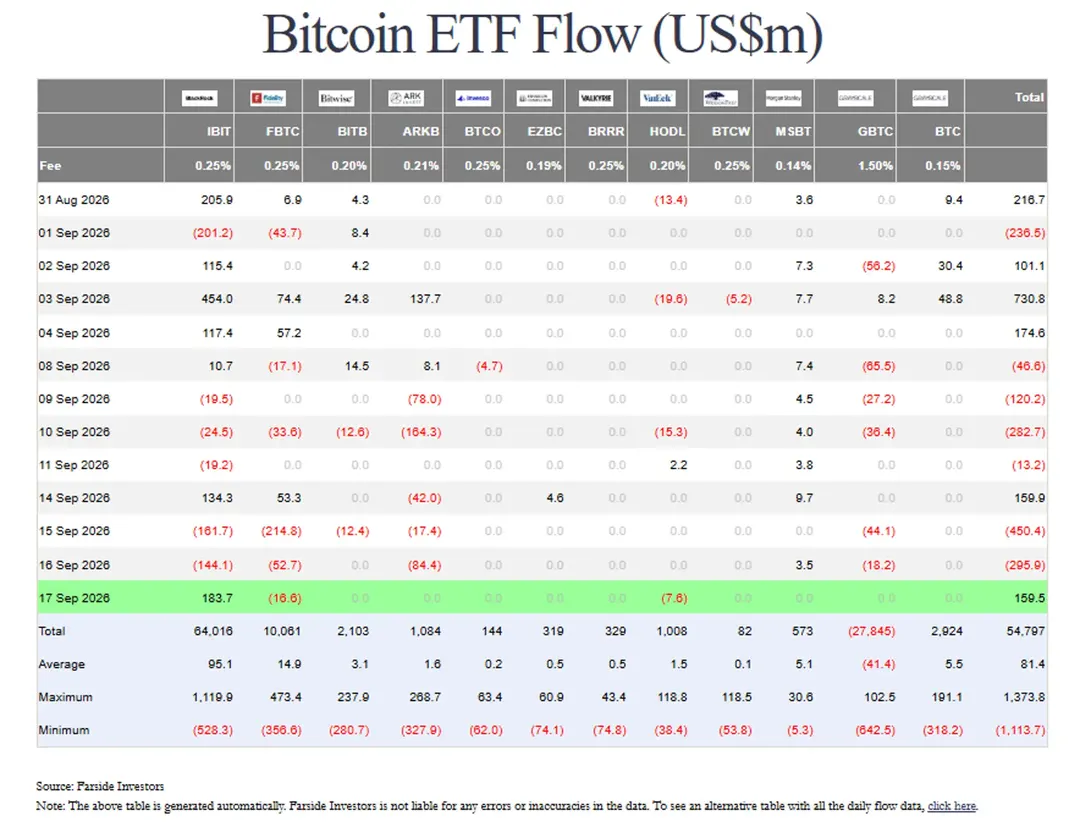
US spot bitcoin ETFs draw $159.5M, led by BlackRock's IBIT
Why it matters: The return of inflows signals a recovery in institutional demand for bitcoin after two days of selling.
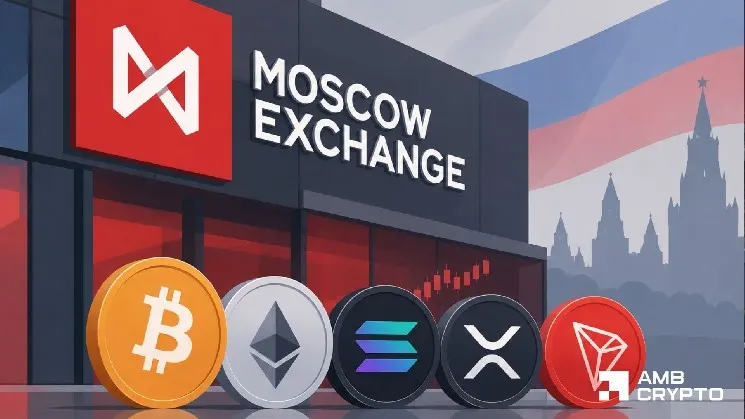
Moscow Exchange to launch 5 crypto perpetuals for qualified investors on September 22
Why it matters: Expanding regulated crypto access in Russia could boost derivatives liquidity, but only among professional investors.
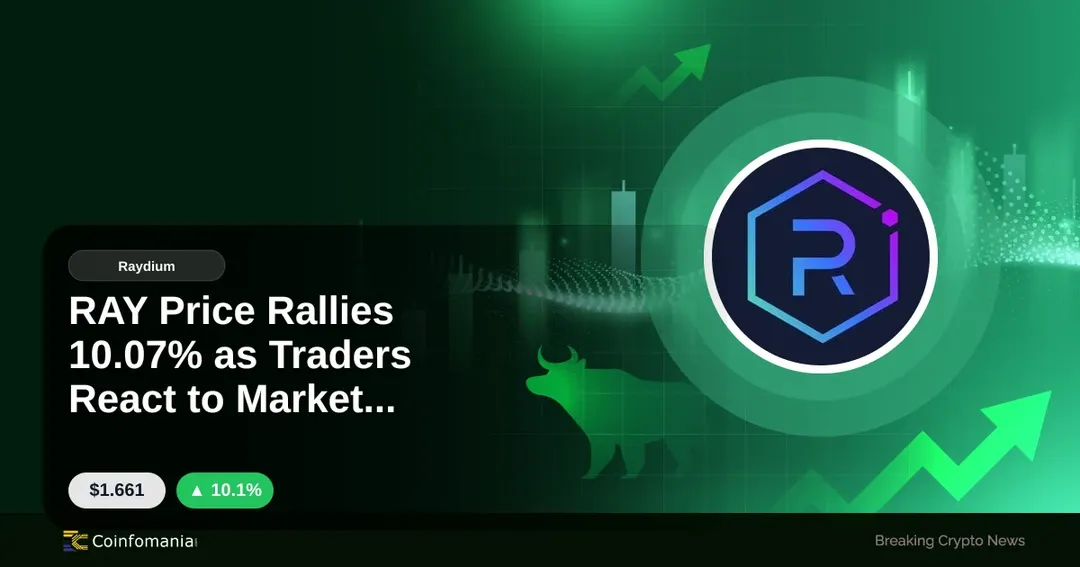
RAY jumps 10.07% in an hour to $1.661
Why it matters: RAY's rally reflects capital rotation into altcoins, but trading volume remains low for a sustained move.
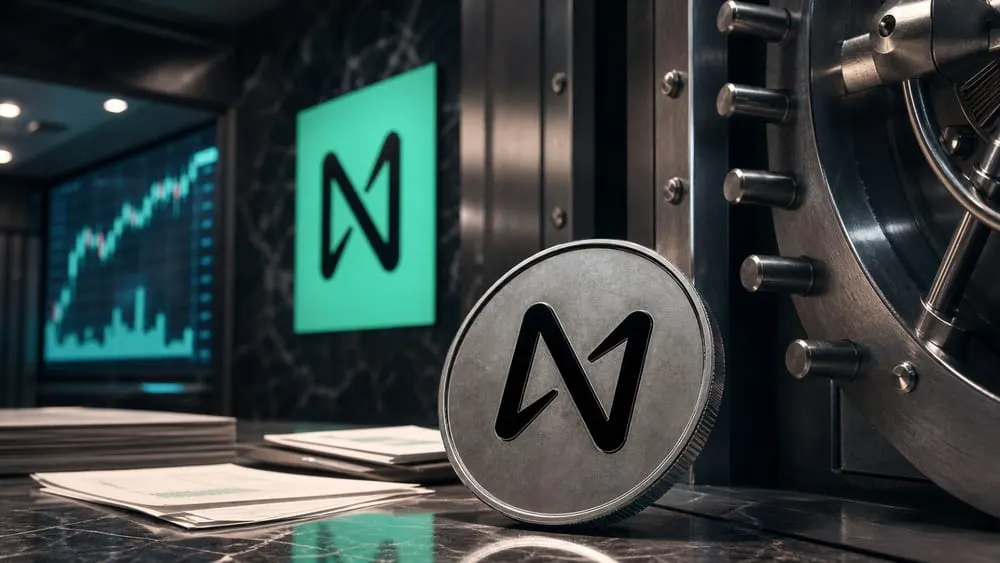
NEAR breaks $3.45, highest since March 2025, up 27% in a day
Why it matters: Breaking its highest level since March 2025 could confirm capital rotation into L1 tokens, but an RSI above 75 points to overheating risk.

MetaMask adds Red Pill attack protection in v13.45 extension
Why it matters: It reduces phishing and malicious contract risk for users of MetaMask, one of the largest non-custodial wallets.

Japan regulator suspects exchanges of steering trades through 'sales points'
Why it matters: If the regulator tightens interface requirements, Japanese exchanges could lose some spread revenue while clients gain more transparent trading terms.

US sanctions Iranian crypto exchange over Strait of Hormuz fees
Why it matters: Tightening sanctions on Iranian crypto exchanges shrinks channels for evading restrictions and raises compliance risks for platforms dealing with Iran.

Uniswap: 80% of Robinhood tokenized stock volume goes through protocol, total $10B
Why it matters: Uniswap's growing share in tokenized stocks strengthens the position of DEXs in the RWA and tokenization of traditional finance assets segment.

XRPL 3.4.0 adds private vaults with XRP lockups from one minute to 30 years
Why it matters: Activation depends on validator voting; demand for XRP will only emerge if applications choose it as the asset for lending pools.

Upexi cuts staff to 10 and refinances debt at 7.5%
Why it matters: Shows how crypto treasury companies are shifting to a staking-funded model amid market pressure.

EOS rises 11.65% in rally
Why it matters: The sharp rise in EOS may indicate a local surge in demand, but without volume and a catalyst, the sustainability of the move is unclear.
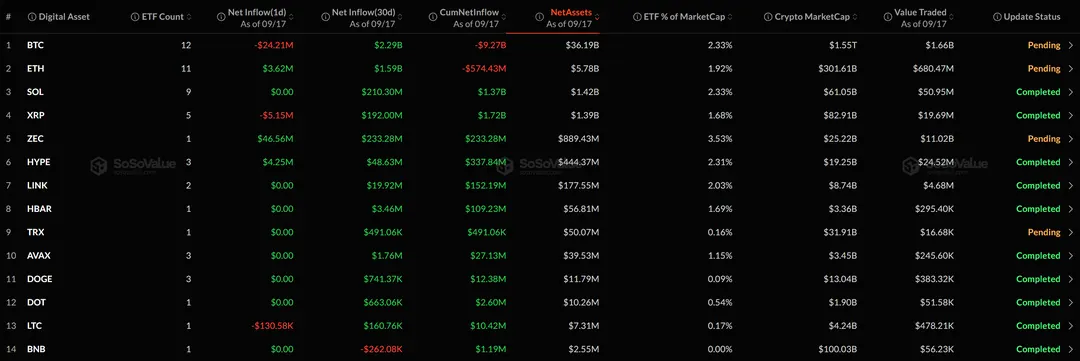
Altcoin ETFs: inflows into HYPE and ZEC, outflows from XRP and Litecoin
Why it matters: Inflows into ZEC and HYPE confirm demand for altcoin ETFs, while outflows from XRP signal weakening interest in the asset.

PONS market cap returns to $500 million, up over 21% in 24 hours
Why it matters: The memecoin's rise without an obvious catalyst points to speculative activity in the segment, increasing risks for retail traders.
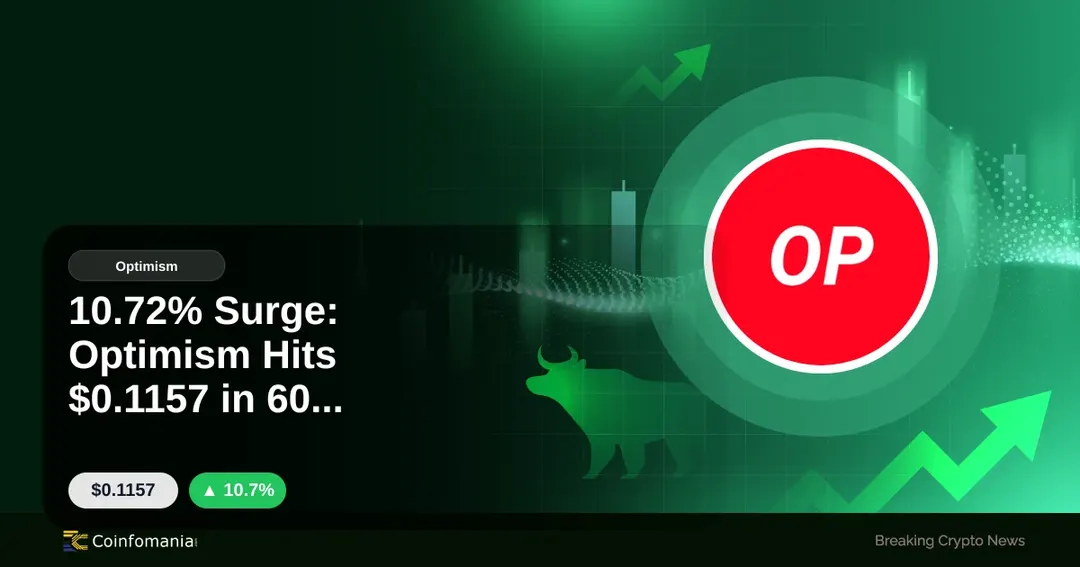
Optimism rises 10.72% to $0.1157 in an hour
Why it matters: OP's rise stands out against sideways movement in altcoins, potentially indicating capital rotation into L2 tokens.

Buterin: 90% of my net worth depends on crypto security
Why it matters: The debate sets a framework for assessing AI-attack risks to blockchains and Ethereum's verification priorities.

ARB jumps 32.7% to $0.22, NEAR and UNI gain about 26%
Why it matters: Broad altcoin gains indicate a return of risk appetite following the market rebound.
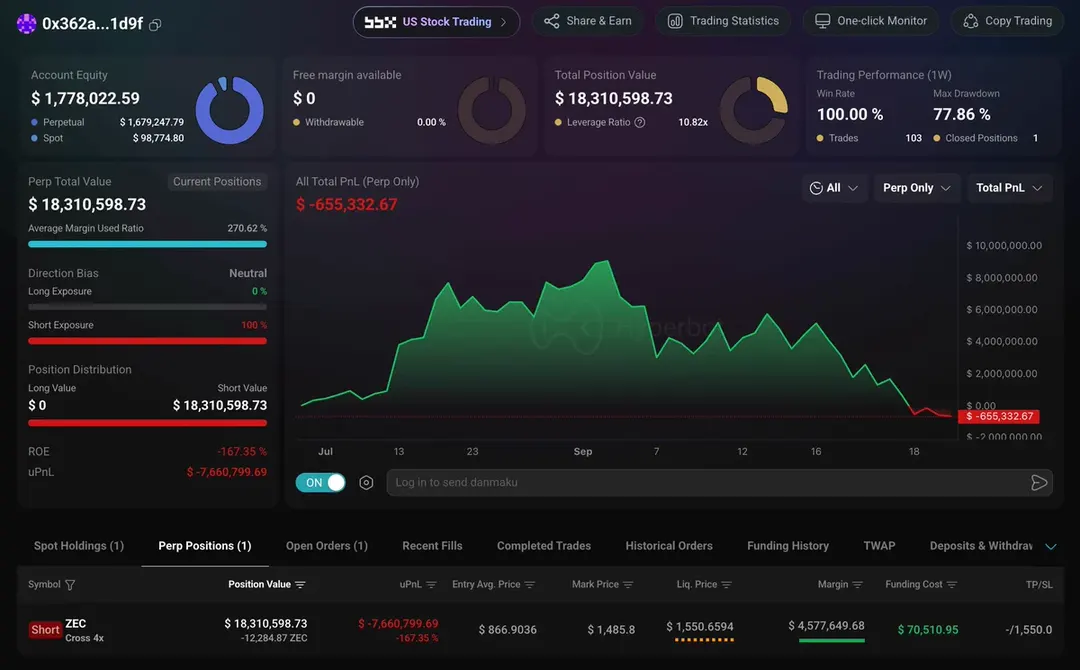
Trader with 26 straight winning trades loses $7.66M on ZEC short
Why it matters: A rise in Zcash toward the liquidation zone could trigger forced buying and amplify ZEC volatility.
Bitcoin holds above $77,000 as NEAR and UNI post double-digit gains
Why it matters: NEAR and UNI gains against a steady bitcoin point to capital rotation into DeFi and L1 altcoins.