Crypto news today
Bitcoin holds $76,000 as analysts talk of an early bull market phase
Why it matters: BTC's resilience to regulatory and monetary pressure may signal a shift in the cycle phase; the key level is $76,000 for a move toward the 50-week moving average.
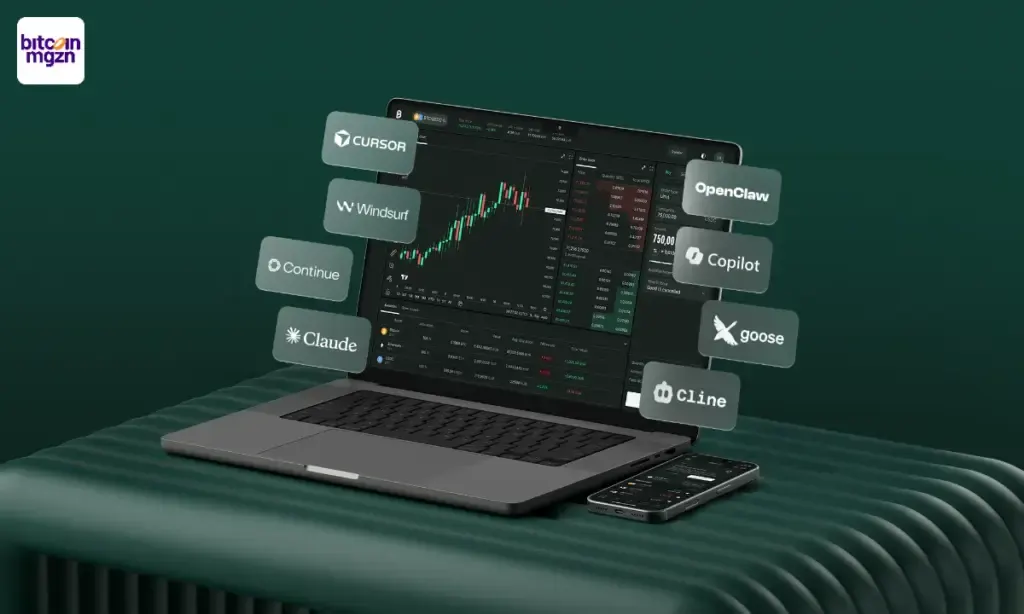
Bitpanda launches Fusion MCP to manage crypto orders via AI
Why it matters: AI assistants are becoming an interface for trading, lowering the barrier to entry for retail traders.
Zcash hits new high above $1,480 ahead of NU7 launch
Why it matters: Faster blocks and rising derivatives activity strengthen interest in Zcash as the leading privacy asset, but an RSI of 71 signals overbought conditions.
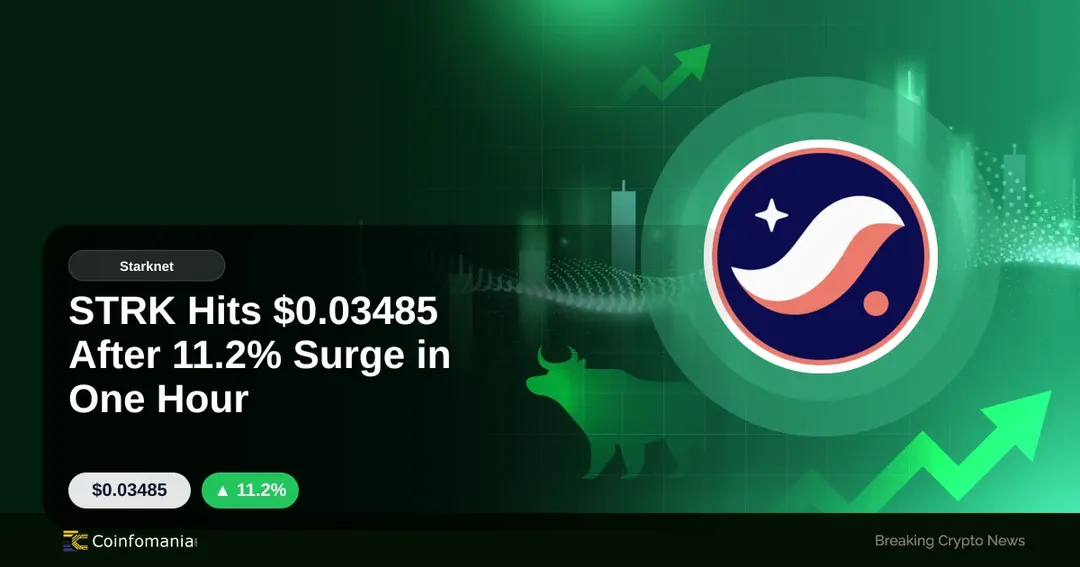
STRK jumps 11.2% in an hour to $0.03485
Why it matters: The sharp rise in volume points to a surge in trader interest, but without a confirmed catalyst the move may prove short-lived.

Bitcoin breaks $78,000, up 1.6% in 24 hours
Why it matters: The continued rebound after the Fed's decision: holding above $78,000 opens the path to $80,000.
Wallet sells 500K UNI after accumulating 1M over six months
Why it matters: Large whale sales could add pressure on the UNI price, but a single transaction is not enough to judge the trend.

ETH breaks $2,500, up 1.22% in 24 hours
Why it matters: ETH's return above $2,500 could reinforce short-term optimism amid the market rebound after the Fed's decision.
UNI jumps 37% in a week to $8.59 amid SEC opening tokenized stocks
Why it matters: UNI's rally is supported by the SEC opening access to tokenized stocks, which expands the protocol's potential utility.
Analysts: Bitcoin treasuries riskier than direct BTC ownership
Why it matters: Investors should evaluate treasury stocks not by total BTC holdings but by debt load and dilution — risks spike sharply in a weak market.

Binance lists quarterly futures on BTC, ETH, BNB, XRP and SOL with March 2026 delivery
Why it matters: Binance's expanded derivatives lineup gives traders more tools to hedge and bet on quarterly moves in top assets.
Hong Kong plans to launch wholesale CBDC for interbank settlements by year-end
Why it matters: Hong Kong is accelerating the integration of tokenized assets into banking infrastructure, which could boost institutional demand for blockchain-based settlement in Asia.
Bithumb flags D and HOOK as assets under heightened scrutiny
Why it matters: A 'caution' status on a Korean exchange often precedes delisting and weighs on token prices.

Binance sees $155M net USDT inflow in 24 hours
Why it matters: Stablecoin inflows to exchanges are often read as readiness to buy, but a single metric cannot determine market direction.

Kraken to forcibly liquidate seven assets for UAE users
Why it matters: The precedent of forced liquidation of privacy coins and stablecoins for an entire region poses a risk for holders of XMR and ZEC on CEXs.
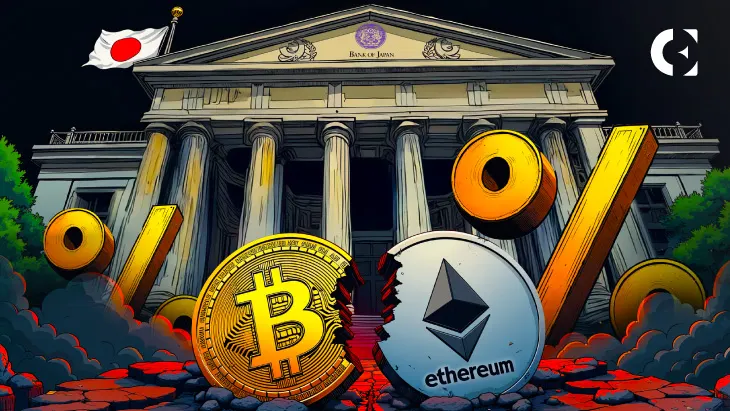
Fed and Bank of Japan hike rates, pressuring crypto market
Why it matters: Tightening by the two largest central banks reduces global liquidity, weighing on bitcoin and altcoins in the short term.

Hanwha and Abu Dhabi partner on digital finance and stablecoins
Why it matters: A major Korean financial holding is entering the stablecoin market through the UAE, intensifying competition in cross-border settlements.

Partior connects to London Stock Exchange's DiSH tokenized deposit platform
Why it matters: Tokenized deposits from major banks could speed up institutional settlements and increase competition with private stablecoins.
Bedrock (BR) token surges 177% to all-time high
Why it matters: BR's rally rests on a live liquidity campaign and a tokenomics shift, but low liquidity (1.69% of market cap) keeps volatility high.
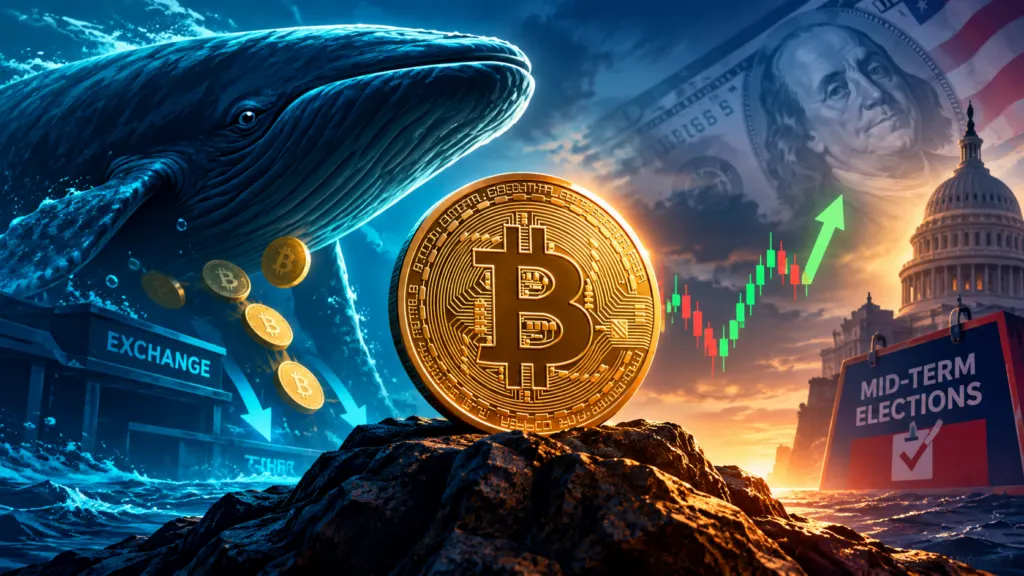
Bitcoin returns to $77,500, but whales prepare to sell
Why it matters: Whale on-chain signals diverge from the price rebound, raising the risk of a renewed BTC decline.
IOG and Cardano YouTube channel hacked to push fake ADA giveaway
Why it matters: Scammers are using the project's official channel, lending credibility to the scam; ADA holders should ignore any 'giveaways' in Cardano's name.