Crypto news today

Hana Financial and Hanwha Asset sign MOU with ADGM on stablecoins
Why it matters: Major Korean financial groups are entering the UAE's regulated digital asset market, intensifying competition for stablecoin infrastructure in Asia.

Seven agencies from Japan, US, Australia and Germany expose $10.7 million theft by North Korea's WaterPlum
Why it matters: Attacks on developers via fake job offers threaten keys and wallets; exchanges and IT companies should tighten code and candidate screening.

DSRV becomes an institutional validator on the XDC network
Why it matters: Expanding XDC's pool of institutional validators strengthens the network's position in trade finance and corporate tokenization.

Celo adds local-currency payments for AI agents
Why it matters: It reduces currency risks for users and expands blockchain use in Latin American payments.
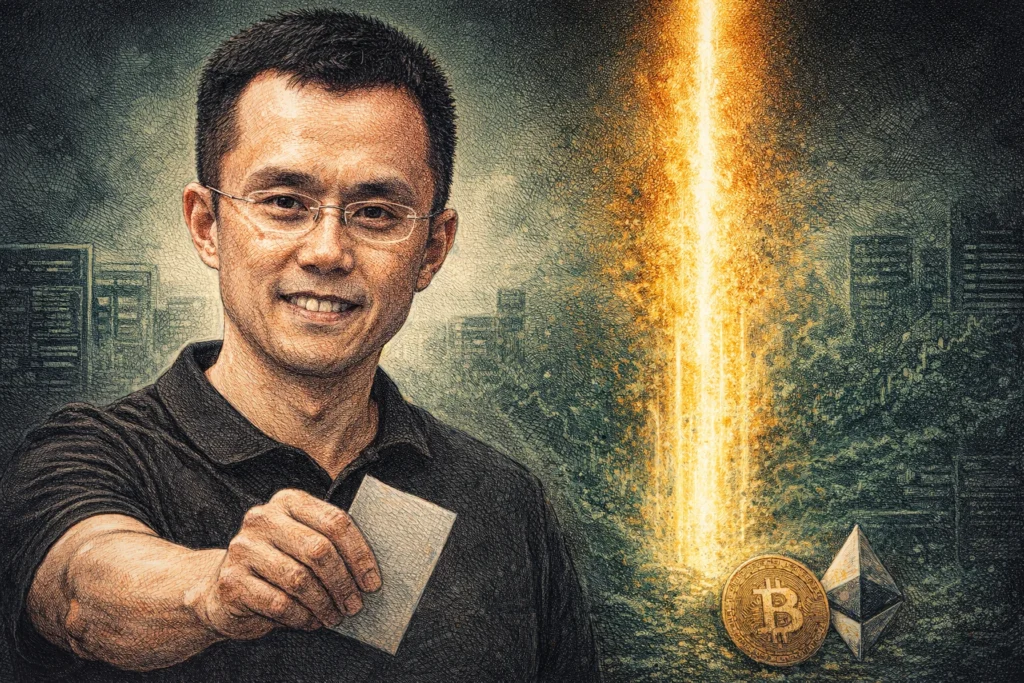
CZ votes to rename BNB treasury BNC to BNB Standard, BNCB token jumps 33%
Why it matters: BNCB's rise shows how CZ's statements move Binance-linked assets, reinforcing the founder's influence over the BNB treasury.
PONS gains 13% amid $13.82 million token buyback
Why it matters: The rally rests on buybacks and leverage, but weak spot inflows make it vulnerable.

Bithumb ends trading support for GALA token
Why it matters: A delisting on a major Korean exchange reduces GALA's liquidity and could add pressure on the token's price.

ECB: DeFi rates depend on monetary policy, but with a lag
Why it matters: DeFi is increasingly tied to traditional finance, but monetary policy transmission into it is slower and less predictable, which matters for assessing yield risks in stablecoin protocols.
ZachXBT links 7zarc wallet to $70 million Raidparty exit scam
Why it matters: Moving funds to exchanges raises the risk of further dumping and draws attention to unresolved large-scale scams.

Robinhood Chain tops Hyperliquid in weekly revenue: $15.85 million vs $12.44 million
Why it matters: Robinhood Chain is intensifying competition with Hyperliquid in the trading blockchain segment, which affects the valuation of both protocols.

Samsung Wallet hiring in US for stablecoin payments launch
Why it matters: A major electronics manufacturer entering stablecoin payments could accelerate mass adoption of digital assets in mobile wallets.

Hedera and EcoGuard launch carbon credit platform for 3M Philippine farmers
Why it matters: The case demonstrates blockchain's use in the RWA carbon credit segment, but the quality of the credits themselves remains in question.
Whale Alert: 880 BTC worth $68.37M transferred to Coinbase
Why it matters: A large inflow of BTC to an exchange could increase seller pressure and affect short-term price dynamics.

Analyst: Bitcoin unlikely to repeat 2022 crash on new Fed rate hike
Why it matters: If the Fed limits itself to 25 bps steps, Bitcoin may avoid a new bear market, but a prolonged tightening cycle would again increase pressure.

CZ tweet boosts GENIUS token on BNB Chain after genius.fun launchpad debut
Why it matters: CZ's posts remain a market signal for small BNB Chain tokens, while genius.fun tests linking tokens to tokenized stocks.
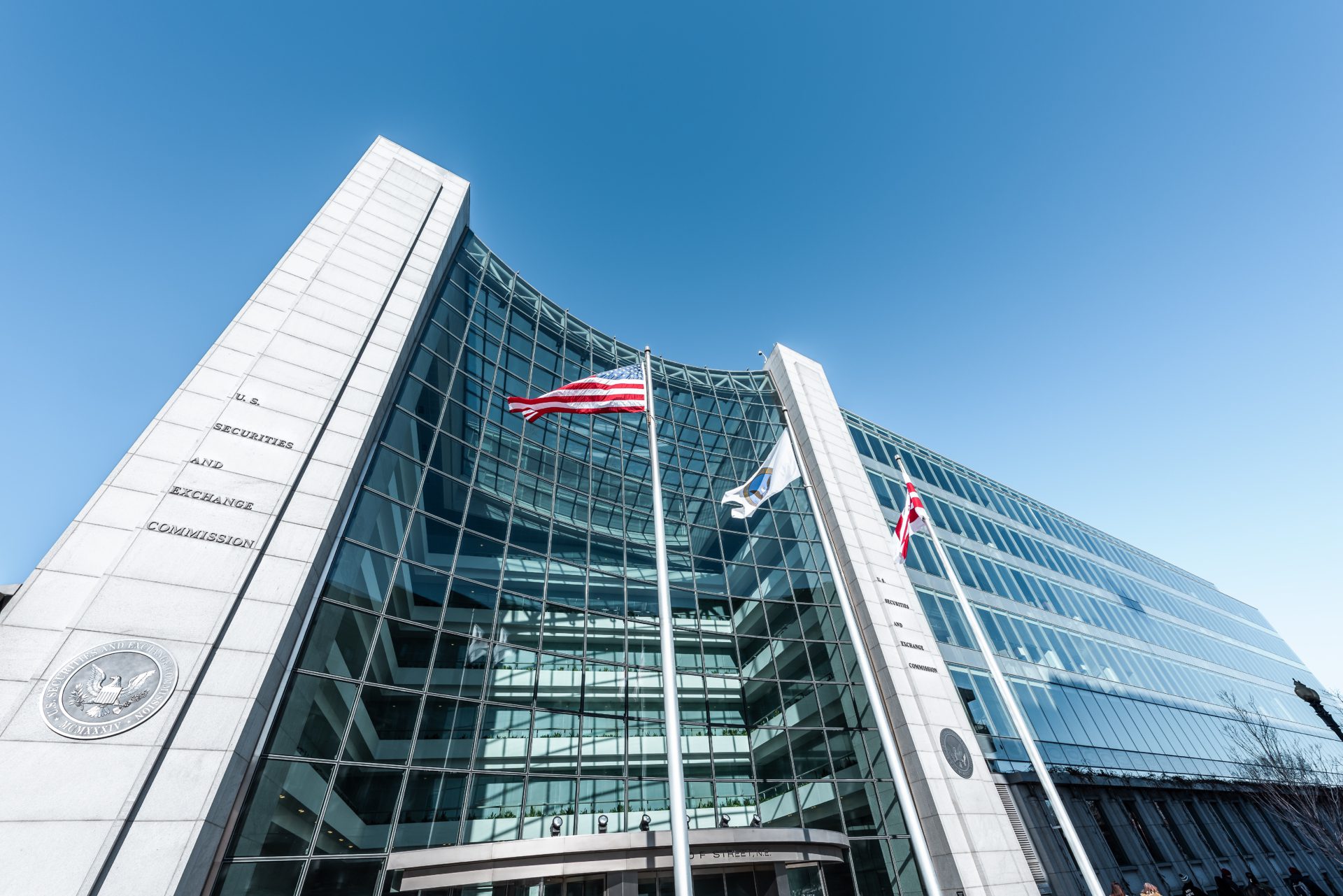
Uniswap and Arbitrum surge nearly 30% after US tokenized stocks approval
Why it matters: The SEC exemption opens the way to mass tokenization of stocks in the US, boosting demand for DeFi protocols and L2 networks.

BOJ chief doesn't rule out continuous rate hikes to curb inflation
Why it matters: Accelerating normalization of BOJ policy increases volatility in the yen and global rates, pressuring risk assets including crypto.
Binance to support STG merger into ZRO at 1 STG = 0.08634 ZRO
Why it matters: The merger reduces the number of tokens in the LayerZero ecosystem; STG holders need to complete the swap before delisting.
Solana rises 6% to $106 after network upgrade cuts block time to 250 ms
Why it matters: The network speedup and short squeeze boosted demand for SOL; holding above $100 could open the way for further gains.
ICE (NYSE) weighs Avalanche for tokenized stocks and ETFs with 24/7 trading
Why it matters: Avalanche being chosen by the world's largest exchange group would strengthen institutional demand for AVAX and accelerate the tokenization of traditional assets.