Crypto news today
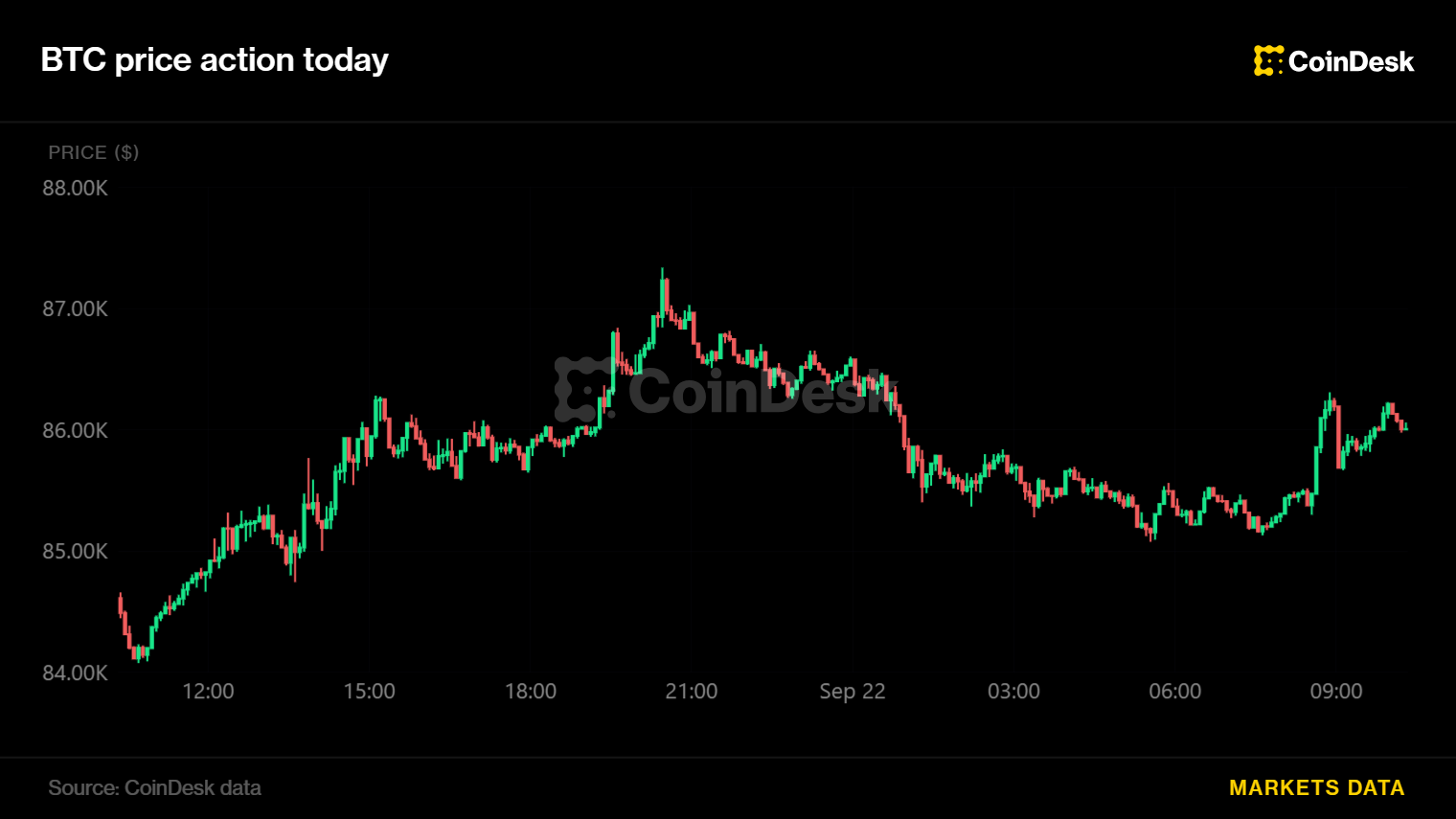
Bitcoin recovers from Asian-session lows as oil slips below $90
Why it matters: Falling oil prices ease inflation pressure and support risk assets, including crypto.

Virtual (VIRTUAL) rises 4.53% to $0.713 amid broad short squeeze
Why it matters: The rally is driven by forced short covering rather than fundamentals, leaving room for a pullback once the mechanical pressure fades.

Render Jumps 5.12% to $1.81 on Short Squeeze and DePIN Narrative
Why it matters: The move is backed by real volume and demand for AI-linked GPU infrastructure, but overbought readings raise the risk of a near-term pullback.

ACI Worldwide Expands Connetic Payments Hub to Support Swift's Blockchain Ledger
Why it matters: A major payments provider is lowering the barrier for banks to adopt tokenised deposits without building separate infrastructure, accelerating institutional blockchain adoption.

JST Rises 2.22% to $0.1158 on Volume 44% Above Average
Why it matters: JST's gain stems from a market-wide short squeeze rather than project-specific news, so profit-taking is likely near the $0.119 resistance if the broader rally cools.

Mantle (MNT) Jumps 5.88% to $0.645 on Volume 83% Above Average
Why it matters: MNT's rally is driven by bitcoin's move rather than its own catalysts, leaving it more exposed if BTC pulls back.

AERO up 47% in a month, approaches key resistance at $0.714
Why it matters: The rally reflects liquidity flowing into Base DeFi, but overbought technicals raise the risk of a pullback toward short-term moving averages.

Russia-linked fintech A7 moved $6.9B through SWIFT despite sanctions
Why it matters: The case highlights how both fiat and crypto channels remain vulnerable to sanctions evasion, increasing regulatory pressure on banks and crypto firms.
Funding rates return to neutral after Bitcoin breaks $86,000
Why it matters: Neutral funding rates lower the risk of a sharp squeeze but offer little directional signal for the next move.

VET Rallies 59% in 30 Days, but RSI at 73 Flashes Overbought Warning
Why it matters: VET's rally is driven by capital rotation into altcoins, but extreme overbought readings raise the risk of a near-term pullback.

Beefy launches automated concentrated liquidity manager on Ethereum mainnet
Why it matters: Automating concentrated liquidity lowers the barrier for LPs and could draw more capital into Uniswap V3 pools on Ethereum.
Russian PM says crypto circulation legalized in Russia from September 1
Why it matters: Legalizing crypto circulation in Russia paves the way for a regulated market and potential institutional inflows.

Tap Global raises £1M in share placement, CEO stake rises to 54.5%
Why it matters: The company plans to hold BTC, ETH, SOL and stablecoins as treasury assets, adding another public-company buyer to crypto markets.

Iran Offers to Reopen Strait of Hormuz in 7 Days, Bitcoin Jumps to $87,329
Why it matters: Easing geopolitical tensions pushed oil lower and supported risk assets including Bitcoin, alongside record ETF inflows.

XRP Outpaces Bitcoin and Ethereum With 9% Gain, but the Real Test Lies Ahead
Why it matters: Holding above $1.50 would confirm a trend reversal; a failure could send XRP back to $1.30.
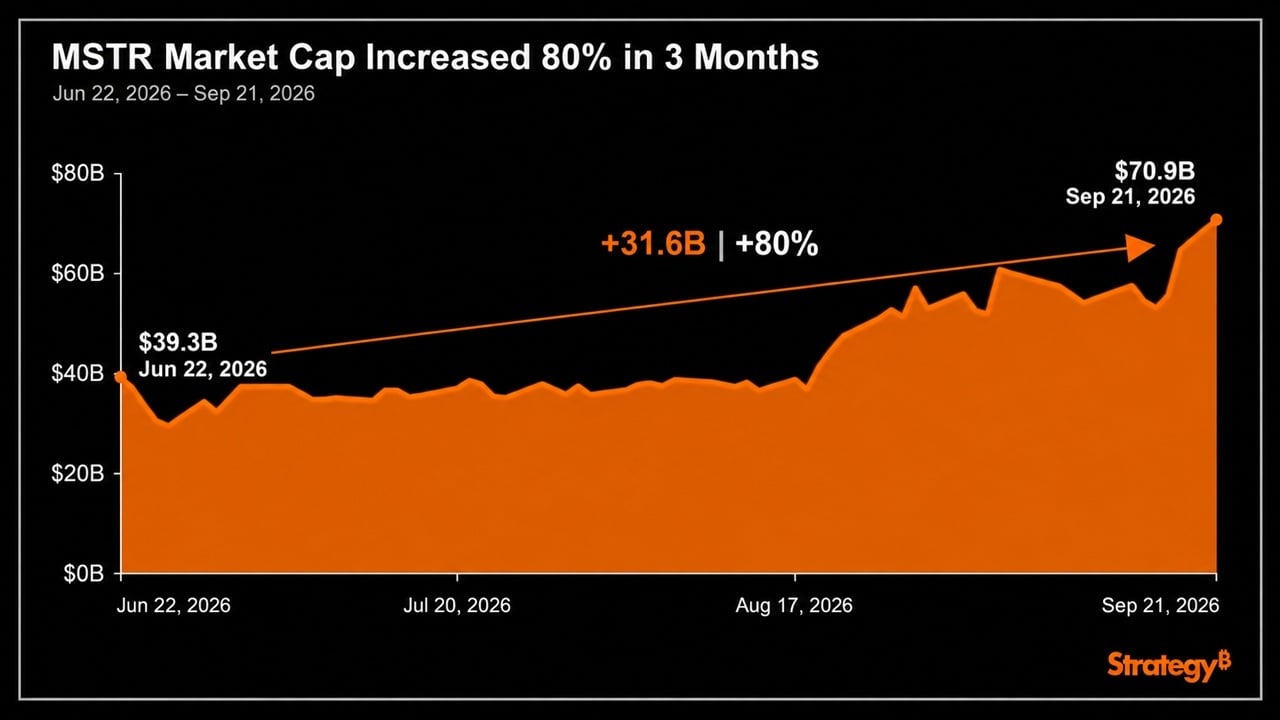
Strategy's Market Cap Jumps 80% in Three Months, Stock Gains 54%
Why it matters: Part of the market-cap gain came from share dilution, a key factor for assessing MSTR's premium to its bitcoin holdings.

Kalshi Files to Bring Perpetual Futures to 58 US Stocks and ETFs
Why it matters: If approved, crypto-style perpetual mechanics would enter the US equity market, blurring the line between derivatives exchanges and crypto trading venues.

BlackRock crypto ETFs pull in $504 million in a single day
Why it matters: A third consecutive day of inflows points to returning institutional demand, though spot Bitcoin ETFs remain down about $450 million year-to-date.

SUI Climbs to $1.01 as Broad Short Squeeze Lifts Crypto Market
Why it matters: The rally is backed by real volume and fresh positioning, but overbought readings raise the risk of a sharp pullback if bitcoin reverses.
ECB Opposes Forcing Stablecoin Issuers to Hold 60% of Reserves as Bank Deposits
Why it matters: The final MiCA reserve rules will shape the cost base and resilience of major stablecoins in the EU.