Crypto news today

Polkadot Rises 13% as Active Addresses Double and ETF Inflows Return
Why it matters: The return of institutional capital to the ETF and rising on-chain activity could support DOT's move toward $1.30, but a break of trend support would invalidate the scenario.
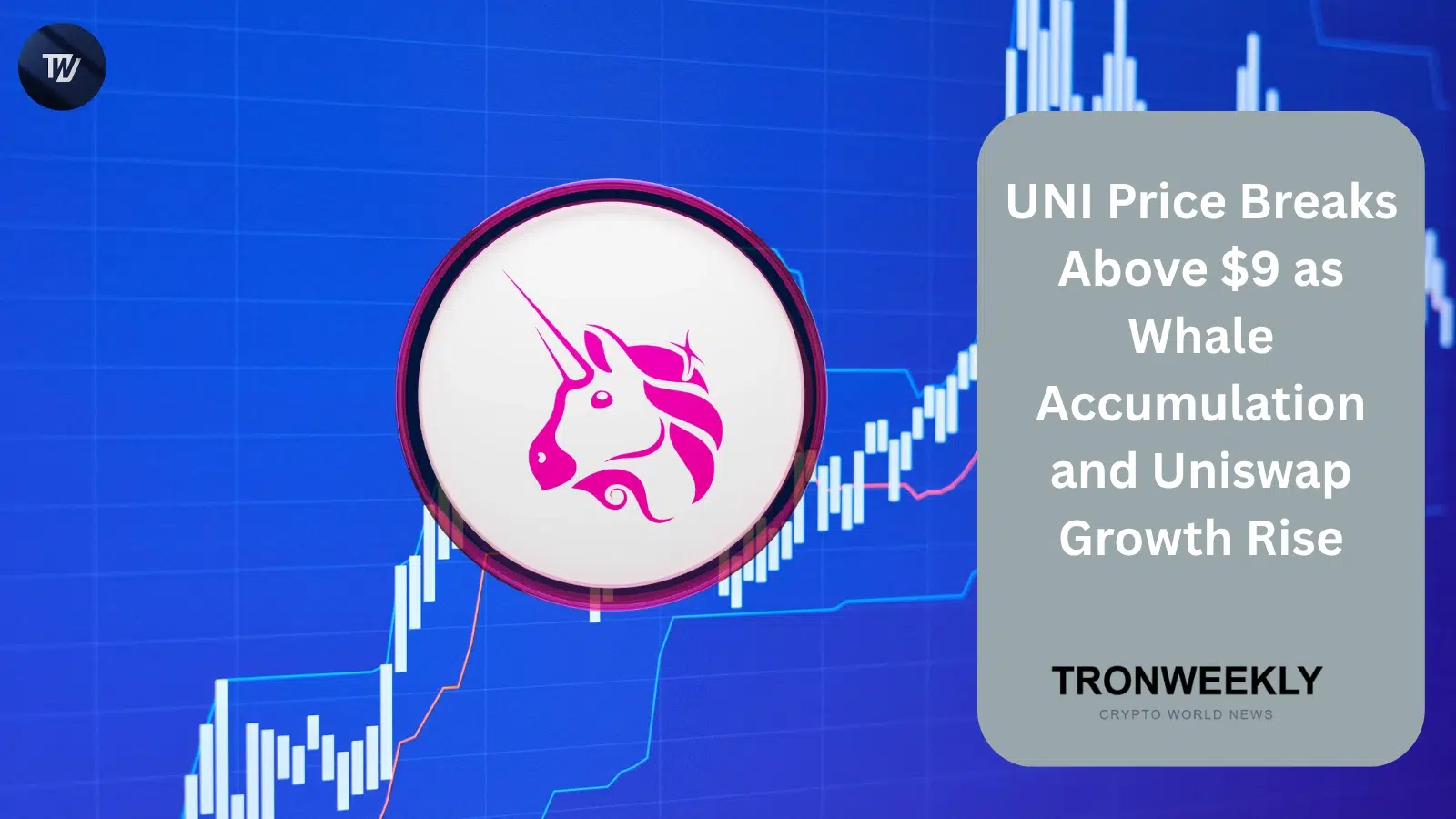
UNI Breaks $9 as Whales Accumulate 1.075M Tokens and Uniswap Expands Ecosystem
Why it matters: Breaking $9 after four years of accumulation could open the way to a larger rally, but sustainability depends on holding the new support levels.

Bitcoin Mining Cost Reaches $78,000
Why it matters: If the price drops below the cost of production, miners may start selling BTC reserves, adding pressure to the market.

JST Falls 3.84% to $0.112 After 168% Year-to-Date Rally
Why it matters: The correction appears to be technical profit-taking without a specific catalyst; holding the $0.1097 support will preserve the medium-term uptrend.
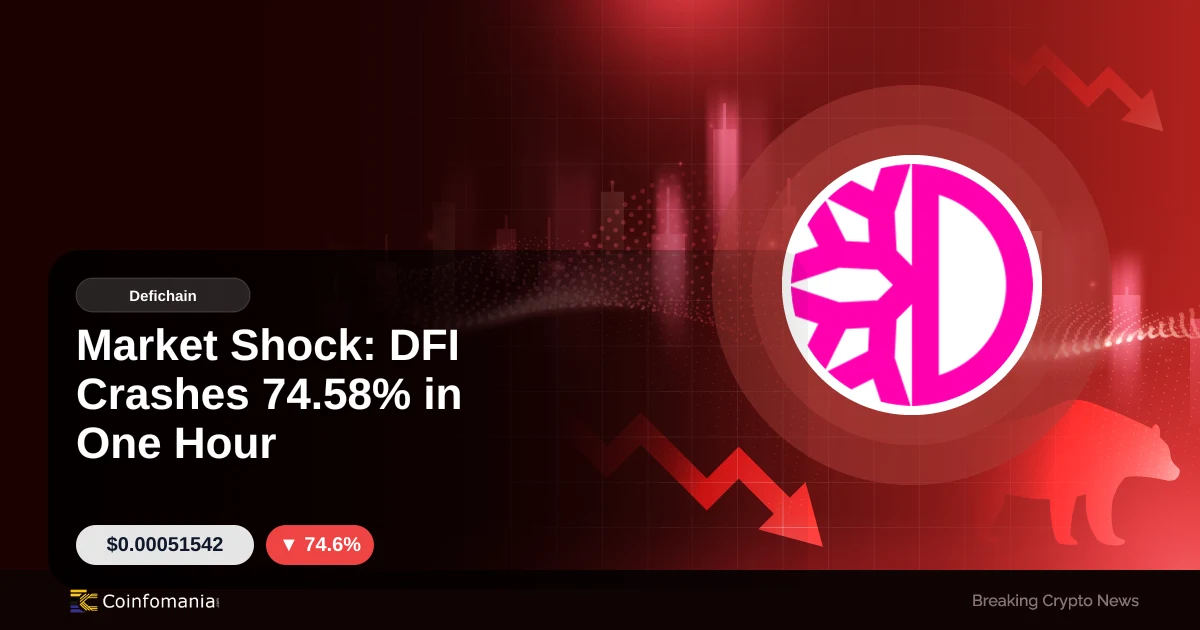
DFI Plunges 74.58% in an Hour to $0.000515
Why it matters: The crash on near-zero volume points to a lack of liquidity and the risk of manipulation in low-cap tokens.

Filecoin Rebounds 16% to $0.926 After CLARITY Act Fails
Why it matters: FIL's rebound reflects a recovery in altcoins after a regulatory shock, but the token remains deeply below its all-time high.

FF Falls 7.16% to $0.127 After 95% Monthly Gain
Why it matters: The correction on low volume indicates profit-taking rather than panic; holding the $0.1273 support will determine the next trend.

Kaspa Rises 11% to $0.037 on Capital Rotation into Layer 1
Why it matters: KAS's rise reflects demand for Layer 1 altcoins amid bitcoin's recovery, but its yearly performance remains negative.
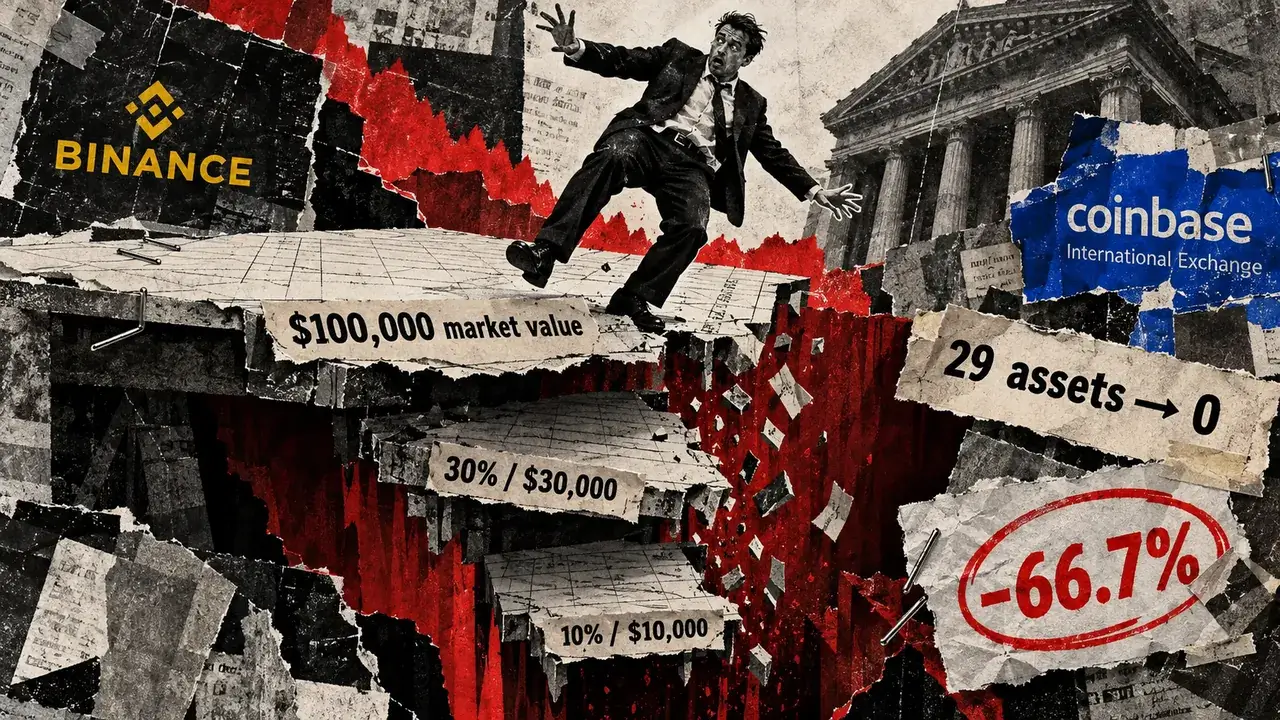
Binance and Coinbase Cut Collateral Value of Several Tokens
Why it matters: Lower collateral value reduces available leverage and traders' margin buffers regardless of token prices, which could trigger forced liquidations.

INJ Surges 20% to $7.11, Returning to May High Zone
Why it matters: A breakout above $7.40 would cancel the bearish double-top scenario, while a rejection at $7.30 with a high share of futures could trigger a sharp correction.

RAY jumps 22.8% to $1.72 as trading volume doubles
Why it matters: RAY's rally reflects returning appetite for Solana's DeFi sector amid asset tokenization, but overbought conditions raise the risk of a correction.

ETHFI climbs 21% to $0.722 on ether.fi cashback program
Why it matters: The cashback program creates steady demand for ETHFI, but the token is still 91% below its March 2024 all-time high.

SUI rises 13.85% to $0.819 on record volume
Why it matters: Capital returning to high-beta altcoins after the regulatory shock points to recovering risk appetite, but SUI remains in a daily downtrend.
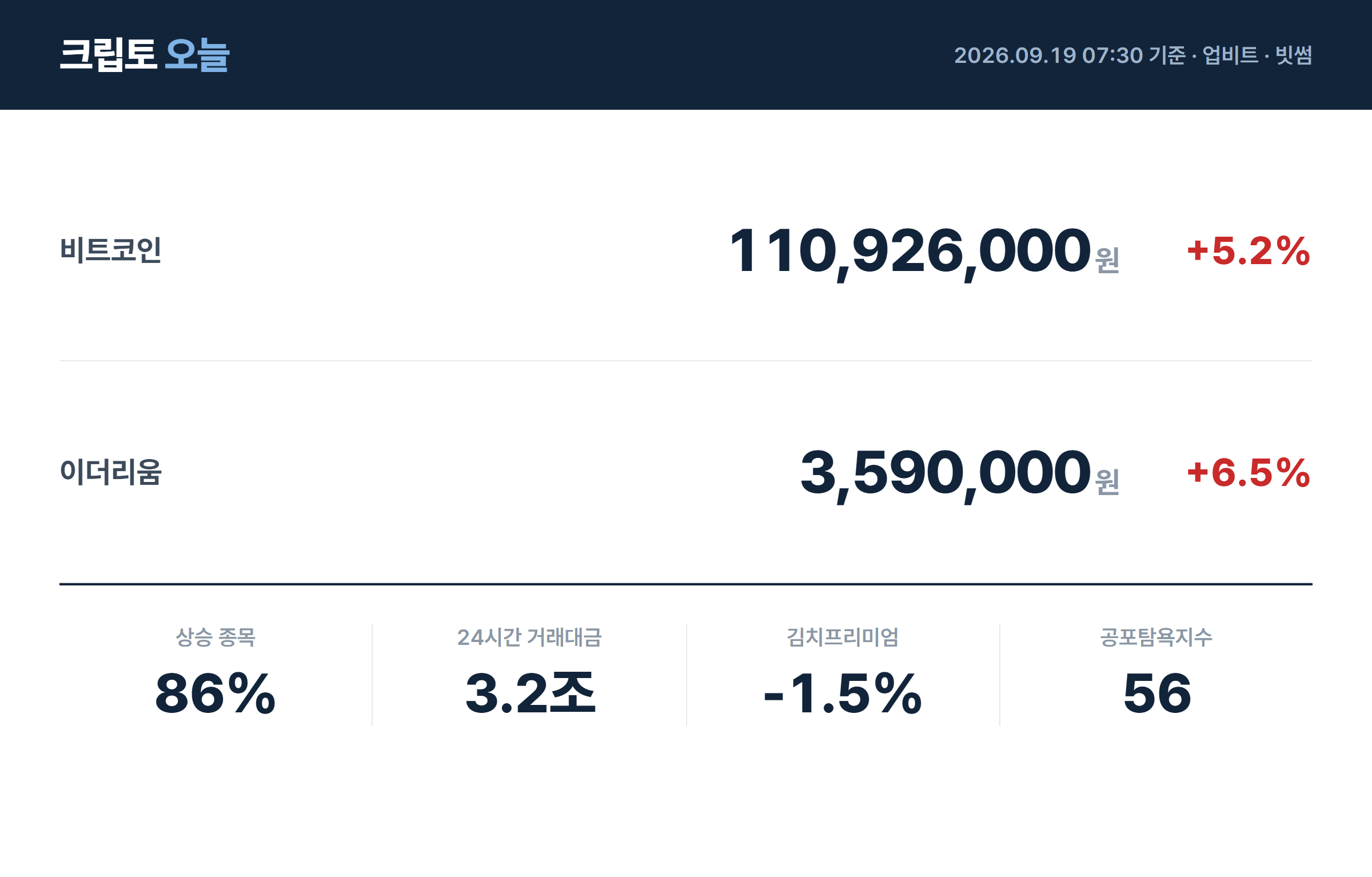
Bitcoin at $80,000: SynFutures soars 70% on Upbit
Why it matters: The Fear and Greed Index rose to 56, but the Korean premium remains negative (-1.5%), indicating local rather than global demand.

HBAR gains 7% to $0.079, tests $0.078 resistance
Why it matters: A break above $0.0780 would confirm a trend reversal after the regulatory blow; a pullback would return the price to support at $0.0741.

Argentina to start CARF crypto data exchanges in 2029
Why it matters: It expands tax transparency for crypto transactions and tax authorities' access to foreign exchange data, increasing pressure on tax evasion.

BitMine nears end of Ethereum accumulation: 5.96M ETH worth $15.4B
Why it matters: Completing accumulation and shifting to staking will reduce shareholder dilution and create cash flow, supporting crypto-treasury company stocks.

NEAR jumps 38% to $3.71, fourth straight winning session
Why it matters: The rally is backed by real volume, but extreme overbought conditions (RSI 82) raise the risk of a sharp correction.

Circle adds Venice.ai to Agent Marketplace for USDC payments
Why it matters: It expands USDC use cases in AI agent payments and strengthens Circle's position in autonomous service infrastructure.

XLM rises 6% to $0.194 on Protocol 28 activation and easing CLARITY Act blow
Why it matters: A breakout above $0.20 with volume would open further gains, while a pullback would keep the price in an accumulation range.