Crypto news today

BitMine nears end of Ethereum accumulation: 5.96M ETH worth $15.4B
Why it matters: Completing accumulation and shifting to staking will reduce shareholder dilution and create cash flow, supporting crypto-treasury company stocks.

NEAR jumps 38% to $3.71, fourth straight winning session
Why it matters: The rally is backed by real volume, but extreme overbought conditions (RSI 82) raise the risk of a sharp correction.

Circle adds Venice.ai to Agent Marketplace for USDC payments
Why it matters: It expands USDC use cases in AI agent payments and strengthens Circle's position in autonomous service infrastructure.

XLM rises 6% to $0.194 on Protocol 28 activation and easing CLARITY Act blow
Why it matters: A breakout above $0.20 with volume would open further gains, while a pullback would keep the price in an accumulation range.
Bitcoin climbs to $81,265 as Fed signals further rate hikes
Why it matters: BTC's rise despite hawkish Fed rhetoric shows resilient demand, but high Treasury yields remain a risk for risk assets.

Cardano jumps 14.63% to $0.2252 on above-average volume
Why it matters: The bounce is supported by volume, but MACD and resistance at $0.2295 do not confirm a reversal — a pullback to $0.2150 is possible.

DOGE rebounds 8.96% to $0.088 on volume 37.65% above average
Why it matters: The rebound on elevated volume may be technical until the price breaks resistance at $0.0877–$0.0878; the closure of the Bitwise ETF (BWOW) weakens institutional demand.

Monero rises 14% to $570.68, breaking through $520 resistance
Why it matters: The breakout above $520 confirms a recovery in the privacy coin trend, but overbought signals allow for a correction to support at $516–522.

FET jumps 15% in 24 hours as exchange reserves rise 14%
Why it matters: The price rally is accompanied by an inflow of coins to exchanges and rising leverage, which could amplify FET volatility if the trend reverses.

BNB rises 5.45% to $763.96 on above-average volume
Why it matters: BNB remains one of the top gainers among major assets, but a negative MACD signals a risk of short-term cooling.
NEAR pushes user-owned AI with Venice and Brave partnerships
Why it matters: The bet on private AI could expand NEAR's enterprise use and support demand for the token.

Hackers demand 6,000 XMR from Revolut; Italy opens data leak probe
Why it matters: The incident increases regulatory pressure on Revolut in the EU and again raises the issue of using privacy coins for extortion.

Robinhood charges up to 2% spread on default bitcoin trades
Why it matters: Hidden costs of up to 2% noticeably reduce active traders' returns and raise questions about price transparency on major retail platforms.
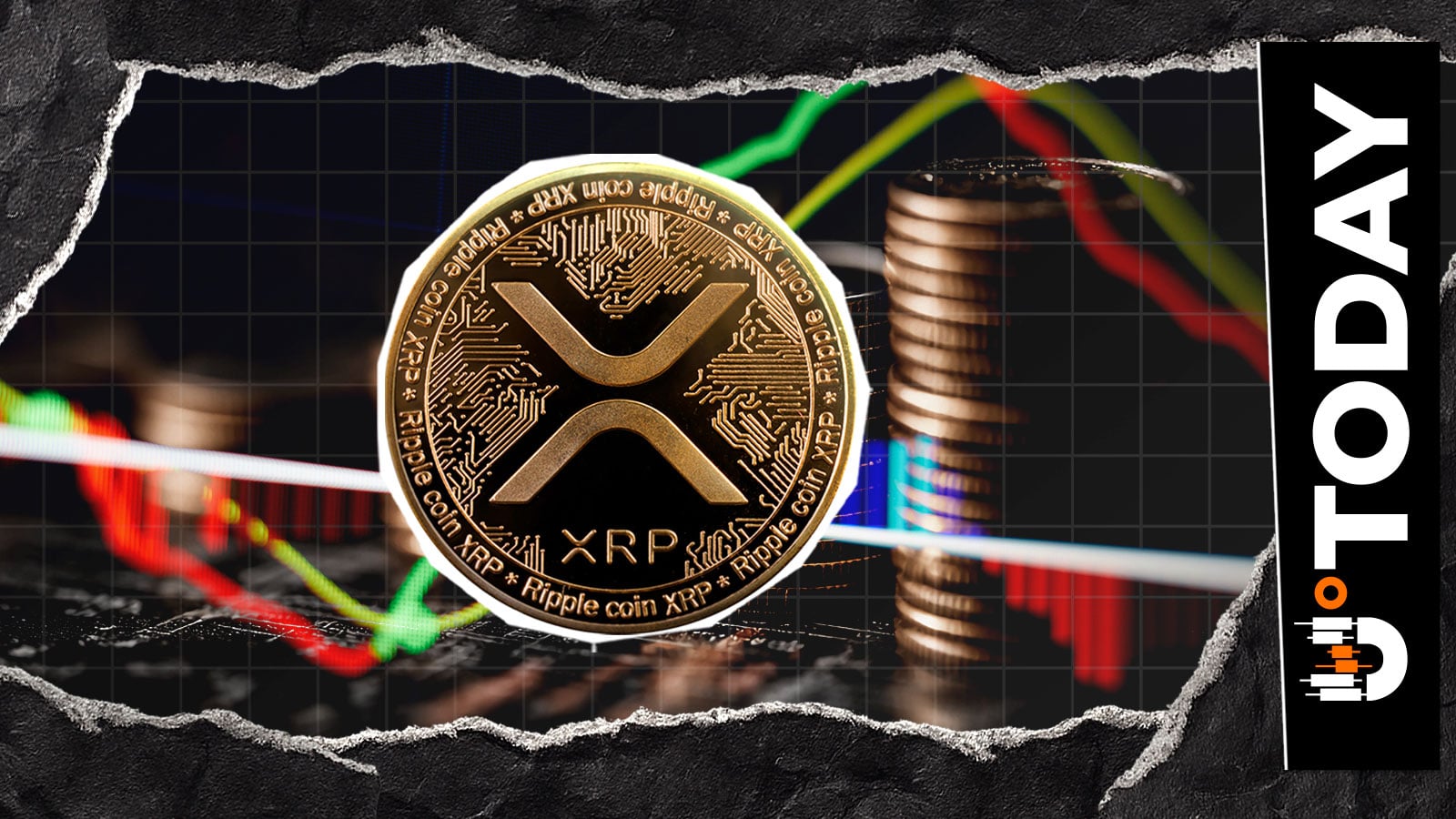
XRP breaks $1.40: $8.05 million in shorts liquidated
Why it matters: The short squeeze fueled the rally, but the high share of leverage increases the risk of sharp liquidations if the price reverses.

Hyperliquid priority fees hit record $264,900
Why it matters: Rising priority fees point to intensifying competition for order execution and activity on Hyperliquid, which supports demand for HYPE.

Turkey detains 175 in $266 million crypto-forex fraud case
Why it matters: The case shows the scale of crypto fraud involving fake investment platforms and increases pressure on unregulated brokerage schemes.
21,229 ETH worth $56 million moved from unknown wallet to Bitfinex
Why it matters: A large inflow of ETH to an exchange may indicate preparation for a sale and could add pressure on the price.

USDC Treasury issues 250 million new USDC tokens
Why it matters: Rising USDC issuance signals an inflow of liquidity into the market and increased demand for stablecoins.

Spiko enters top 6 RWA issuers with $2.55B in tokenized assets
Why it matters: Spiko's growth shows that EU government bond tokenization is scaling and competing with Securitize and Ondo Finance.

Coinbase tokenized stocks account for 7% of DEX activity on Base
Why it matters: The growing share of tokenized stocks in DeFi on Base reinforces expectations for a Base token launch and the integration of traditional markets into the on-chain environment.