Crypto news today

FCA sets regulatory perimeter for overseas crypto platforms from 2027
Why it matters: The rules establish extraterritorial reach for the regulator and require overseas exchanges, custodians and staking services to adapt to the FCA regime.
Safe wallet loses $7.7 million via old module with no signature
Why it matters: Risk for Safe and modular wallet users: old module permissions must be revoked, or funds can be withdrawn without a signature.

Santiment: whales sold 57,600 BTC since August 5, capital rotates into altcoins
Why it matters: Whale selling while small players buy raises correction risk, but capital rotation into altcoins could extend their rally.

Galaxy: Crypto market will keep functioning without CLARITY Act after Senate failure
Why it matters: The failure of the CLARITY Act shifts U.S. crypto regulation toward agencies (SEC, CFTC), reducing rule predictability for the market.

Kevin O'Leary: Bitcoin will hit $1 million if the quantum threat is solved
Why it matters: The statement from a well-known investor supports the long-term BTC growth narrative but flags quantum risk as a key factor.

BaFin warns of risks from centralizing MiCA supervision
Why it matters: A possible centralization of EU supervision would change licensing and operating conditions for crypto companies across the 30-country EEA market.

Tokenized equities worth $465 million trade on Solana after SEC rule
Why it matters: The growth of tokenized equities on Solana strengthens its position in the RWA segment and could attract institutional capital.

LSEG to launch 24/5 trading and tokenized equities system by 2027
Why it matters: Europe's largest exchange is embedding equity tokenization into regulated infrastructure — a signal of an institutional shift for the market.

Strategy shares jump 13% to $151 as bitcoin reserve bill advances
Why it matters: Advancing the BTC state reserve bill strengthens institutional demand and supports crypto stocks such as MSTR.

Zondacrypto creditors begin bankruptcy proceedings in Estonia
Why it matters: The collapse of Poland's largest exchange and creditors' fight over remaining assets increase pressure on crypto custody regulation in the EU.

Binance Research: tokenized equity market cap reaches $4 billion
Why it matters: Equity tokenization is moving beyond trading into primary issuance, which could reshape capital markets infrastructure and strengthen the link between TradFi and blockchain.

US Senate Banking Committee to hold closed GOP roundtable on prediction markets
Why it matters: The outcome of the dispute will determine who regulates prediction markets — the CFTC or state gaming regulators — shaping the fate of Kalshi and Polymarket.

BlackRock: stablecoins must preserve 'singleness of money' with bank deposits
Why it matters: The stance of the world's largest asset manager sets the framework for stablecoin regulation and their integration into the banking system.

Strategy moves 411 BTC to Coinbase Prime, Marathon sends 250 BTC
Why it matters: Large transfers to exchange custodians can signal preparations to sell and weigh on BTC holders' sentiment.
Audit: hackers use Binance Smart Chain for stealth attacks
Why it matters: Growing use of public networks for attacks raises risks for users and DeFi protocols on BSC.

Crypto market cap rises to $2.77T as altcoins lead after Fed and SEC exemption
Why it matters: The rebound after the Fed-driven selloff and SEC regulatory easing sets the tone, with sustainability hinging on the next rate decision.

Two arrested in Netherlands for paying for Rolex watches with fake stablecoins
Why it matters: The case highlights the risk of counterfeit stablecoins in P2P payments and the rise of crypto fraud in offline transactions.

Crypto stocks rebound after selloff triggered by CLARITY Act failure
Why it matters: The market shows regulators are advancing crypto rules even without the CLARITY Act, supporting crypto stocks.

Unknown wallet moves 510,768 SOL worth $57M to Coinbase Institutional
Why it matters: Large transfers to institutional venues often precede increased SOL volatility and signal whale accumulation.
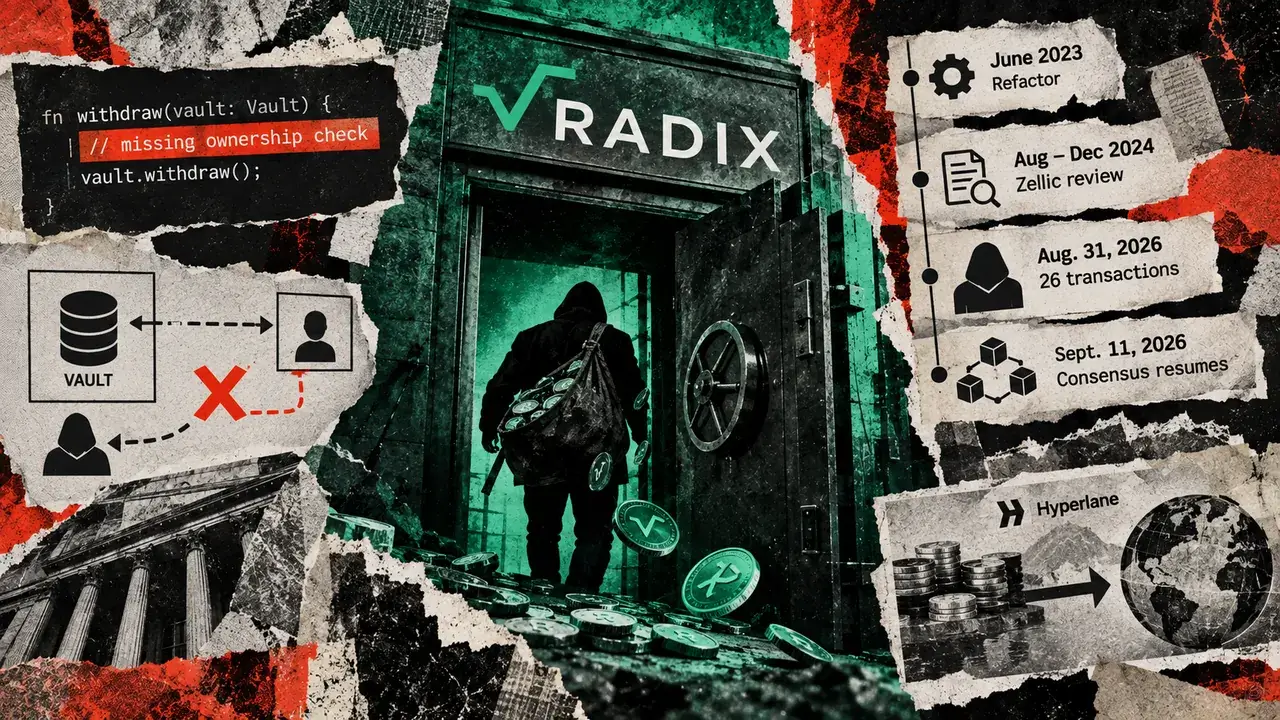
Three-year-old Radix bug led to $1.3M theft and 10-day network halt
Why it matters: The incident showed that routine code refactoring can silently break ownership boundaries and evade external audits, putting all network vaults at risk.