Crypto news today
XRP NUPL Hits 8-Month High as Price Rebound Pushes Market Into Hope-Fear Phase
Why it matters: NUPL returning to positive territory signals an early recovery phase, though the indicator remains far from overheated levels.

Analyst Doctor Profit opens Bitcoin short at $86,200 targeting $79,000
Why it matters: A widely followed analyst betting on a pullback after a 6% rally highlights growing debate over the sustainability of the move.
Six Canadian banks launch CAD-based tokenized deposits initiative
Why it matters: Major Canadian banks testing tokenized deposits signals growing institutional adoption of blockchain in traditional settlement infrastructure.

Strategy Stock Jumps 40% in a Month as It Resumes Bitcoin Buying
Why it matters: Strategy remains the largest corporate Bitcoin holder, making its stock a leveraged proxy for BTC exposure among institutions.

Whale starts closing Bitcoin longs, books $8.52M profit
Why it matters: Profit-taking by a large player could signal a local reversal after Bitcoin's rally above $85,000.

Circle's Arc network fees drop 96.7% six days after mainnet launch
Why it matters: The steep fee decline raises questions about real demand for Circle's payments-focused L1 despite backing from major financial institutions.
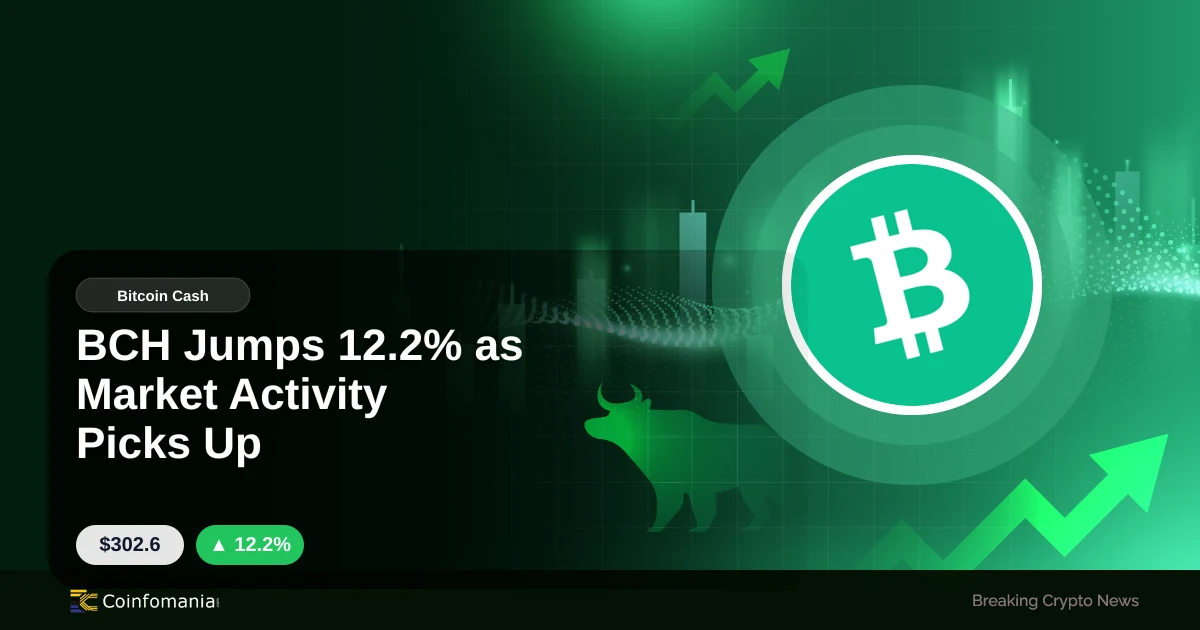
BCH Jumps 12.2% to $302.6 as Trading Volume Picks Up
Why it matters: The sharp move stands out against a sideways altcoin market and may draw speculative flows, though the lack of a clear catalyst leaves it exposed to a pullback.

'Crypto winter is over,' analyst says as bitcoin holds above $86,000
Why it matters: The break above the 50-day moving average and returning ETF demand may signal a new bull market, though Fed rate-hike risk remains.

Bank of Russia: Market Does Not Need a Separate Stablecoin Category
Why it matters: Rejecting a separate stablecoin status keeps the current regulatory framework in place and delays the launch of ruble stablecoins for international payments.

Morgan Stanley Bitcoin Trust logs record $61.7M daily inflow
Why it matters: Inflows into Morgan Stanley's product underscore institutional demand for bitcoin through traditional vehicles.

Bitcoin Tops $85,000 Ahead of Iranian President's UN Visit
Why it matters: A geopolitical thaw around Iran could boost risk appetite and support further gains across crypto markets.

MidasRWA launches mWIN and mGLOBAL on Avalanche, bringing institutional credit to DeFi
Why it matters: Institutional credit strategies are becoming programmable collateral in DeFi, expanding access to real-world assets on Avalanche.

Bitcoin reclaims 50-week moving average, but analysts urge caution
Why it matters: Reclaiming the 50-week average is the first technical sign of a trend shift, but without sustained ETF inflows the rally may prove short-lived.

UN panel highlights Bitcoin as digital public infrastructure for developing nations
Why it matters: Positive framing of Bitcoin at a UN side event signals evolving institutional sentiment and could support adoption in emerging markets.
CME to launch Bitcoin Cash and Uniswap futures on October 19
Why it matters: Institutional derivatives access for BCH and UNI could deepen liquidity and legitimacy for both assets.
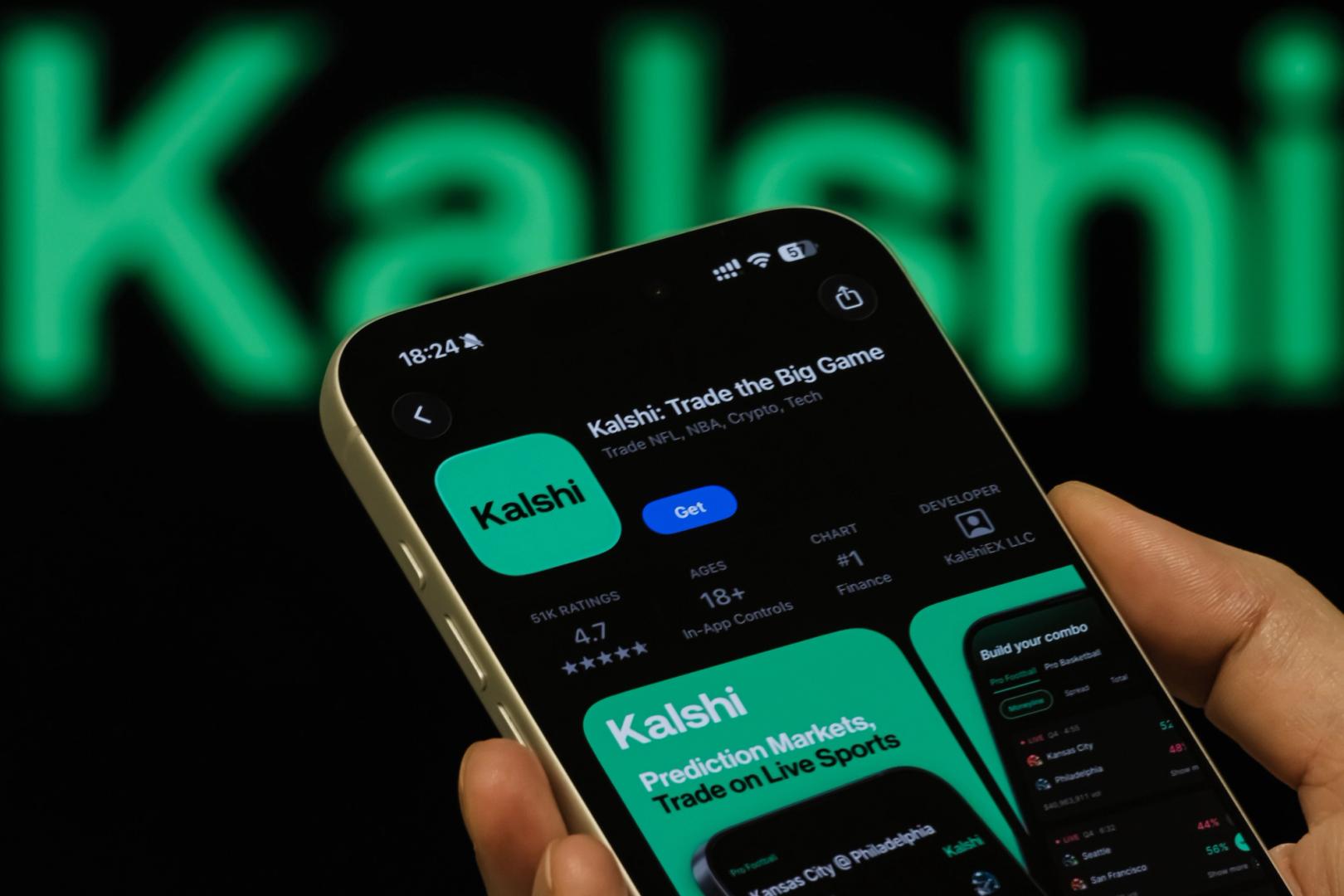
CoinDesk: Repeating fixed-dollar trades drive most BTC and ETH perpetual volume on Kalshi
Why it matters: The pattern suggests a small number of participants or automated programs may be generating much of the reported activity, complicating how traders judge real liquidity.

Moscow Exchange launches 5 crypto perpetual futures as derivatives turnover tops 600 billion rubles
Why it matters: It widens regulated crypto exposure for qualified Russian investors without requiring them to hold the underlying tokens.

XRP holds $1.50 as rising exchange reserves raise caution
Why it matters: Rising exchange reserves point to possible profit-taking, while a hold above $1.50 keeps the path open toward $1.70.

Elon Musk's X prepares trading feature ahead of next bitcoin bull run
Why it matters: In-app trading on X's vast user base could significantly widen retail access to crypto.

Injective adds USDC payments for Bitrefill's 8,000+ products across 180 countries
Why it matters: The integration expands real-world USDC use on Injective and sharpens competition among networks for payment settlement.